

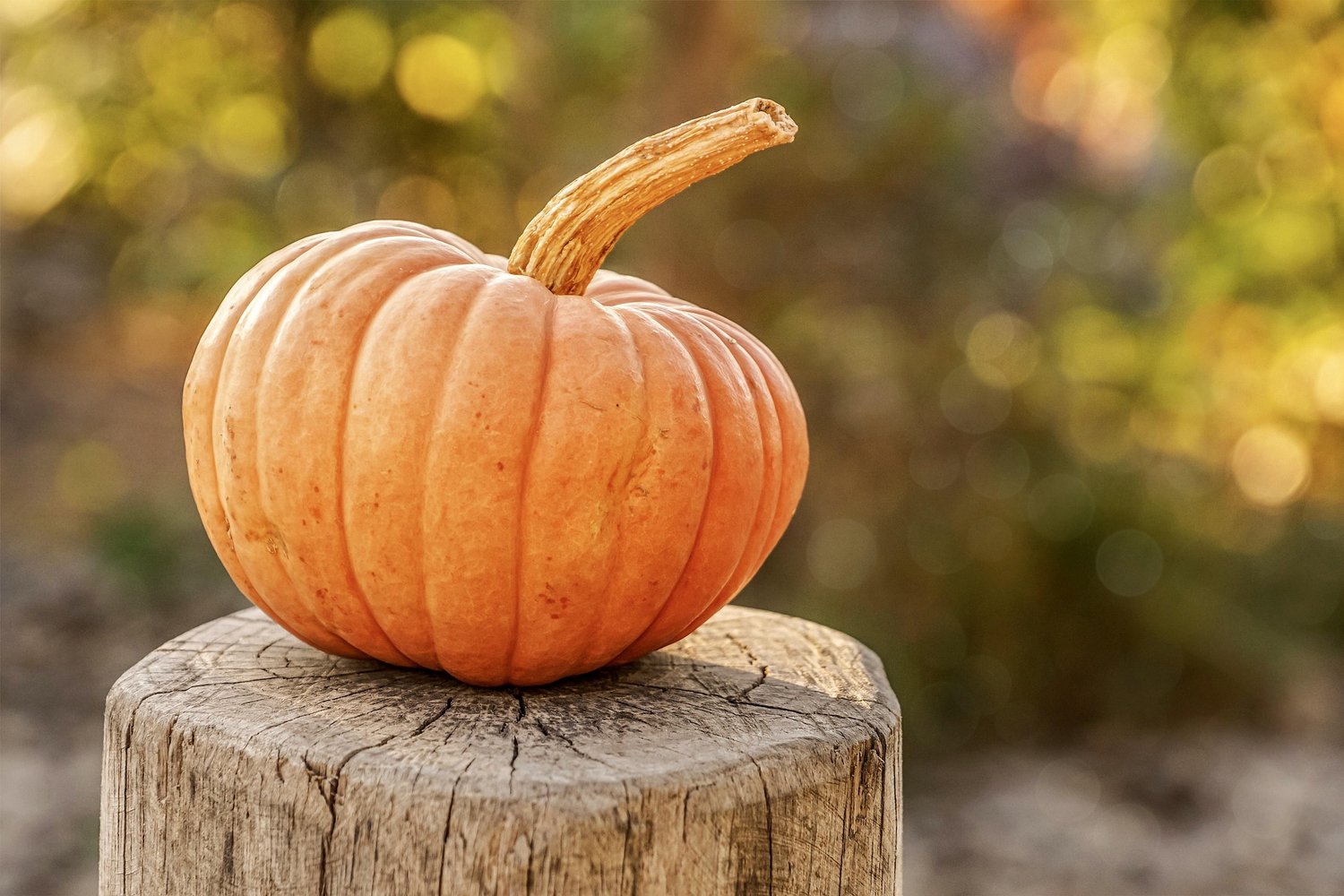
Place a pumpkin in the middle of a classroom, and children usually have something to say. They notice its size, wonder what is inside, compare it with another pumpkin, or imagine turning it into a character. That immediate interest makes pumpkins a useful starting point for fall literacy. The object gives students something concrete to discuss, while carefully chosen books help them develop the language and structures needed to explain their thinking.
Pumpkin lessons can move well beyond coloring pages and seasonal crafts. Students can compare a prediction with evidence, retell events in order, explain a process, and write a story in which a character makes a consequential choice. A pumpkin investigation can also bring reading and writing into a science or math lesson. The challenge is to decide what children should learn before selecting the activity.
This guide centers on kindergarten through fifth grade and uses pumpkins as a bridge among stories, observations, and informational writing. The activities can fit a short seasonal unit or appear across several weeks. Halloween connections are optional, so teachers can choose a harvest focus where that better fits the school community. With a clear literacy purpose, one familiar autumn object can support several kinds of thoughtful classroom work.
Give the pumpkin unit an essential question
Begin with a question that makes room for both fiction and facts: How can one pumpkin give us many different stories? Explain that some stories will be imagined, some will describe events in a book, and some will explain what the class observes. Students can explore the same subject while learning that each kind of writing has a different purpose.
Set out a pumpkin or a clear photograph and ask children what they already know. Record responses under observations, ideas, and questions. A student may notice vertical ridges, suggest that the pumpkin contains hundreds of seeds, or imagine that it is waiting for an adventure. Keep these contributions distinct. Observing, predicting, and inventing are all valuable, but readers need to know which kind of statement they are encountering.
Tell students what the class will practice: describing carefully, putting events in order, and explaining why something happened. These goals help you select follow-up work. If the class is learning sequencing, a useful task might involve a retelling or a procedure. If students need practice supporting explanations, the investigation should produce observations they can refer to. The theme becomes a setting for instruction, with the literacy target guiding the lesson.
Select books that invite different kinds of thinking
Pumpkin Jack by Will Hubbell follows a boy's pumpkin through change and the return of new growth. It offers an inviting starting point for discussing sequence, the passage of time, and connections between one event and another. Keep the first conversation focused on understanding the story, then return to selected moments when students are ready to explain the order and relationships. [1]
How Many Seeds in a Pumpkin? by Margaret McNamara, illustrated by G. Brian Karas, brings a pumpkin investigation into a classroom story. It gives students a reason to discuss estimates, counting strategies, and assumptions about size. A teacher can use it as a bridge to the class's own investigation while reminding children that a prediction needs to be tested. [2]
The Scarecrow's Hat by Ken Brown extends the harvest theme through a problem involving a series of trades. It is a useful companion when the literacy focus is tracking a character's goal and explaining how one action makes the next possible. Students can compare its connected events with the sequence in a pumpkin book, noticing that stories can move forward through different kinds of change. [3]
Add a nonfiction source about pumpkins or plant life cycles if the class will write factual explanations. A story can spark a question, but it should not carry the whole burden of verifying a scientific claim. Preview the nonfiction book's photographs, diagrams, and explanations, then choose a small portion that directly answers the children's question.
Read first for the story and then for the structure
A first read aloud should give children the pleasure of following events. Introduce the title and ask them to listen for something that changes. Stop only when a brief explanation is necessary or when a planned question will deepen understanding. Too many interruptions can make a simple story difficult to hold in mind.
After reading, invite an oral retelling before introducing a worksheet. Ask a pair of students to explain the beginning, middle, and ending. Then ask the class whether a listener who has not heard the book would understand the central problem or change. This question helps students see that a retelling needs meaningful connections, not just a list of isolated pictures.
During the second reading, focus on structure. Notice where time passes, where a character responds to a problem, or where an action leads to another event. Students can hold up a small paper arrow when they hear a connection they want to discuss. Choose a few responses to examine together. The aim is to help children explain the author's sequence without turning every page into a separate task that breaks the story apart again.
Build a pumpkin vocabulary lesson around comparison
Pumpkins offer an opportunity to move from general words to precise descriptions. Begin with familiar vocabulary such as big, small, orange, and round. Then introduce words that help children distinguish features: stem, rind, ridge, curved, bumpy, hollow, and smooth. Explain each word using a photograph, object, gesture, or a brief student-friendly definition.
Put two pumpkins or images side by side. Ask students to describe one so clearly that a partner can identify it without pointing. A description such as the orange pumpkin may not work when both are orange. The pumpkin with the short, curved stem gives the listener a more useful clue. Encourage students to test their language and revise when their partner needs more information.
Extend this into writing with a pumpkin identification game. Each child writes a description of one numbered image. Classmates match the writing to an image and explain which words helped. Younger students can dictate a sentence or use a labeled sketch. Older students can compose a short paragraph organized from overall appearance to specific features. The activity makes description functional: success depends on whether the words allow someone else to recognize the intended subject.
Use sequence cards to strengthen retelling
After a pumpkin read aloud, create a small set of event cards using student drawings or brief teacher-written summaries. Avoid copying the book's pages. For young students, four events may be enough. Older students can work with a larger sequence that includes an important turning point and the result of a character's action.
Ask pairs to place the cards in order, then explain the sequence aloud. Provide transition words such as first, next, later, after, and finally, but remind students that transitions cannot repair an event placed in the wrong position. Partners should explain why each event belongs where they put it. A teacher can ask what a character knew or what had already happened at that point in the story.
For a second round, remove one card. Students identify what is missing and explain how the gap affects understanding. This makes them think about whether a retelling contains the information a listener needs. In writing, children can turn the sequence into a paragraph or a small booklet. Ask for a final rereading that checks both order and completeness. An accurate three-sentence retelling is more useful than a longer response that includes attractive details while losing the central chain of events.
Teach cause and effect with a visible connection
Sequence answers what happened next. Cause and effect ask why something happened or what resulted from an action. Students may need help separating these ideas. Two events can occur one after another without the first causing the second. A classroom example is helpful: We read a book, and then the bell rang. Reading did not cause the bell to ring.
Return to the chosen story and select an event with a clear connection. Ask what happened, what contributed to it, and what changed afterward. Use two connected boxes or a short sentence frame: Because something happened, something else became possible. Students should point to relevant story information rather than choosing a cause simply because it sounds plausible.
Then create an original classroom scenario. A paper pumpkin character rolls under a shelf, so its friend cannot find it. Students suggest possible effects and solutions, explaining each connection. Older students can identify several contributing factors or discuss how changing one decision would alter the outcome. Younger students can act out a simple connection with puppets. Finish by having children include one clear cause-and-effect relationship in a retelling, an explanation, or a new story of their own.
Turn a seed investigation into evidence-based writing
If classroom conditions allow, investigate the seeds inside two or three pumpkins. An adult should handle cutting, and students who do not want to touch the contents can observe photographs or work with cleaned materials. Paper seed counters can support the counting lesson when using real pumpkins is impractical, although they will not test a claim about actual seed counts.
Before opening the pumpkins, students record a prediction and a reason. A student might predict that the largest pumpkin has the most seeds because it appears to have more room inside. Explain that a reasonable prediction may still turn out differently from what the class observes. The purpose of the investigation is to compare an idea with evidence.
After counting, record the results and ask students to write a short explanation. A useful response names the prediction, states what the class found, and explains whether the evidence supported that prediction for these pumpkins. Avoid a sweeping conclusion from a tiny sample. Students can say that the largest pumpkin in our group did or did not contain the most seeds. That careful wording shows a stronger understanding than declaring a universal rule that the investigation cannot establish.
Write a procedure someone else can follow
An investigation creates a natural reason to teach procedural writing. Ask students to explain how the class counted seeds or how a group arranged them into sets. A procedure needs an ordered series of actions and enough information for a reader to repeat the process. This gives sequencing a purpose beyond recounting a story.
Model an incomplete direction, such as put them in groups. Ask what a reader still needs to know. What is being grouped? How many belong in each group? Where should the groups go? Revise the direction to answer those questions. For a counting procedure, students might specify groups of ten on a tray and explain what to do with the remaining seeds.
Pairs write a short set of instructions, then another pair tests them with paper counters. The testers follow the written directions without receiving extra spoken help until the first attempt is complete. They mark a place where they needed more information and return the procedure for revision. Older students can add a materials list and a diagram. Younger students can draw the steps and dictate a direction beneath each picture. The test helps writers recognize where their own knowledge has hidden a gap in the explanation.
Connect fictional change with a factual life cycle
After enjoying a pumpkin story, ask which questions need a factual source. Students may wonder how a seed becomes a plant or why an old pumpkin changes in appearance. Read a suitable nonfiction selection together, noticing how diagrams and captions contribute information. Explain that an informational diagram often organizes stages in a way that differs from a narrative's beginning, middle, and ending.
Give students a simple organizer for recording a stage, an important detail, and the source title. Younger children may contribute one labeled picture; older children can write several connected explanations. Encourage students to use vocabulary they understand and can explain. A correct term copied from a page is less useful when the writer cannot describe what it means.
Students can then create a short informational booklet or display. Ask them to check that the stages are accurately ordered and that each explanation comes from an appropriate source. If a story portrays events imaginatively, discuss which details belong to the fictional world and which are consistent with the nonfiction information. This comparison supports a valuable reading habit: enjoying a narrative while recognizing when a factual question calls for another kind of text.
Create pumpkin stories with meaningful choices
An original pumpkin story needs more than a face drawn on an orange circle. Help students build a character who wants something and must respond to an obstacle. A pumpkin might hope to join a harvest display, find its missing seed, or reach a friend across a garden. Keep the possibilities open so students can create stories that fit their interests.
Plan the story through three questions: What does the character want, what makes that difficult, and what choice does the character make? A character who wants to reach a friend may have to ask for help, devise a route, or decide whether to wait for the wind. Each option leads to a different sequence and consequence. Students can discuss these possibilities before selecting an ending.
Use oral rehearsal and a quick sketch plan before drafting. Ask partners to identify the moment when the character makes a choice. If the story problem disappears without explanation, encourage the writer to add a connecting event. In revision, students focus on one relationship that makes the ending believable. The goal is a coherent story, whether it consists of three dictated sentences or several written pages. Decorative details can enrich the work once the reader understands the character's journey.
Offer gentle suspense as an optional writing lesson
For classrooms that include Halloween themes, pumpkins can introduce suspense without frightening content. Explain that suspense comes from a reader waiting to discover something. An unfamiliar sound, a missing object, or an unexplained trail can create curiosity. Students can write a mystery about a pumpkin that changes location or a note found beside a harvest basket.
Model an ordinary original sentence: We found the pumpkin in the hallway. Then show how a writer might delay the discovery: A soft bump came from the hallway. Near the door, an orange shape rested beside a muddy footprint. Ask students what they now want to know. Discuss how the writer offers clues without explaining everything immediately.
Students plan a brief mystery with two clues and a sensible resolution. Encourage a friendly explanation, such as a classroom helper moving a display or an animal carrying something away. Offer an autumn adventure prompt for children who prefer it, and keep startling sounds or public performances optional. Older writers can check that the ending accounts for the clues they introduced. A satisfying resolution helps students learn that suspense requires planning as well as dramatic words.
Build a harvest trading activity around clear communication
After reading The Scarecrow's Hat, create an original trading challenge with paper picture cards. Each group has items, a goal, and a limited number of possible exchanges. The goal might be to collect materials for a pretend garden shelter. Keep the task simple enough that students can track the chain of trades rather than losing time on complicated rules.
Students must explain what they have, what they need, and why a proposed exchange could help both groups. Provide an invitation frame for younger learners: We have this item, and we would like that item. Older learners can write a short proposal that explains the advantage of the exchange. The emphasis is on language that makes a plan understandable.
Afterward, children retell the trading sequence and identify an exchange that made the next step possible. They can compare their chain with the story's structure without recreating its exact plot. Ask what would happen if one group declined an exchange. This extension encourages flexible reasoning and gives students a reason to explain alternatives. The activity combines speaking, listening, sequencing, and causal language through a manageable classroom problem.
Adapt the work without changing the thinking goal
Students can participate at different levels while working toward a shared goal. In a sequencing lesson, one child may arrange pictures and tell the events aloud, another may write a paragraph, and another may explain how two events are connected. The teacher can increase the language demand without requiring the same amount of handwriting from every student.
For multilingual learners, preview a few key words with pictures and give time for partner rehearsal. A bilingual vocabulary card can be useful when the translation has been checked. Invite students to describe pumpkins or harvest foods familiar to their families, while allowing anyone to work from classroom materials. Personal sharing should enrich the lesson without becoming a requirement that exposes differences in family resources or traditions.
For students who need help organizing writing, provide an organizer with a small number of purposeful prompts. Avoid filling every part for them. A child who receives the whole plot has little opportunity to make a storytelling decision. For students ready for greater complexity, ask for competing predictions, two possible endings, or a comparison between narrative and informational structure. These adjustments preserve meaningful thinking while making the amount and form of expression manageable.
Fit the unit into a realistic classroom week
On Monday, introduce the essential question and enjoy the first pumpkin book. Collect vocabulary and a brief oral retelling. On Tuesday, revisit the story for sequence and use event cards. Wednesday can pair How Many Seeds in a Pumpkin? with an investigation or a prepared classroom data set. Thursday gives students time to write procedures or original pumpkin stories. Friday focuses on revising and sharing one finished piece.
You do not need to run every activity. A class working on explanatory writing might spend more time on procedures and evidence, while a class developing narrative skills might extend oral rehearsal and story revision. The Scarecrow's Hat can become a later harvest lesson rather than another obligation in the same week. Select activities according to the literacy goal and available time.
Keep transitions practical by storing each task in a separate tray and displaying a short set of directions. Use the same response routine across activities: think, discuss, record, and review. Familiar routines let children concentrate on new language and ideas. A well-paced unit leaves room for rereading, which is often more valuable than rushing to a new book or craft every day simply to maintain seasonal variety.
Assess connections rather than decorations
Look for evidence that students understand the targeted relationships. Can a child retell important events in order? Can a writer explain what caused a change? Does an investigation response refer to the actual results? Can another group follow the written procedure? These questions give assessment a clear focus.
Collect one short sample at the beginning and another near the end. For example, compare an early oral retelling with a later written sequence, or compare a first procedure with the revision made after a partner tested it. Notice improvements in clarity, order, and explanation. A student who adds one necessary step may have made a more meaningful revision than a student who simply adds several adjectives.
Use the results to choose the next lesson. If children can order events but cannot explain why they connect, model causal language again. If directions are accurate but incomplete, demonstrate writing for someone who was not present. Specific feedback helps students see a path forward: Your steps are in order; add where the seeds should go so the next group can follow them. This is more actionable than a general request to make the work better.
Let one pumpkin open several paths into literacy
A thoughtful pumpkin unit gives students reasons to read, speak, listen, and write. They read to follow a character, discuss to test a prediction, write to explain a process, and revise to make meaning clearer for someone else. The seasonal subject brings interest, while the connected literacy tasks supply direction.
Finish with a small classroom collection of pumpkin writing. Include a few different forms: a description, a procedure, an informational page, and an original story. Ask children how the reader's job changes across those pieces. That conversation helps them recognize that the same autumn object can be approached in many ways. When students understand both their subject and their purpose, fall activities can become substantial reading and writing experiences with skills that continue long after the pumpkins leave the classroom.
Book sources
[1] Albert Whitman publisher page, Pumpkin Jack: https://www.albertwhitman.com/book/pumpkin-jack/
[2] Penguin Random House publisher page, How Many Seeds in a Pumpkin?: https://www.penguinrandomhouse.com/books/112378/how-many-seeds-in-a-pumpkin-mr-tiffins-classroom-series-by-margaret-mcnamara-illustrated-by-g-brian-karas/
[3] Penguin Random House distributor page, The Scarecrow's Hat: https://www.penguinrandomhouse.com/books/714916/the-scarecrows-hat-by-written-and-illustrated-by-ken-brown/
