

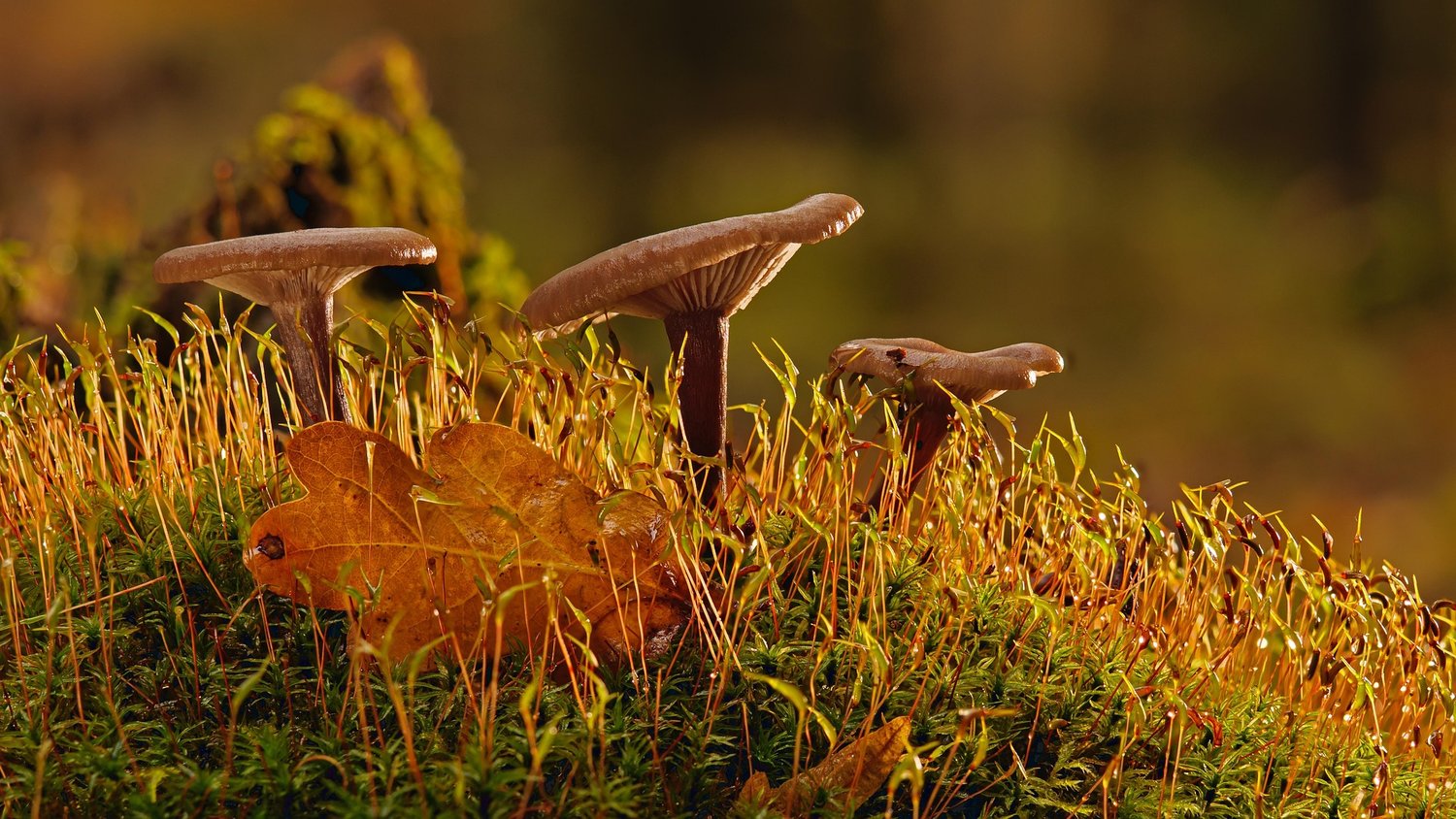
An autumn leaf can become much more than a decoration on a classroom bulletin board. It can become a subject for close observation, a reason to learn a precise word, a character in an original story, or evidence in a paragraph about seasonal change. When teachers connect fall literacy activities to things children can see and discuss, reading and writing have an immediate purpose. Students are gathering language to describe a world that is changing around them.
Fall offers a welcoming starting point because it invites curiosity. Children may notice different weather, seasonal foods, migrating birds, or pumpkins appearing in stores. In some communities, brilliant leaves are the most visible sign of autumn. In others, trees remain green and changes are more subtle. A useful classroom theme makes room for both experiences. Students should not have to live near a maple forest to participate in an autumn reading unit.
The strongest seasonal lessons connect that curiosity to a specific literacy goal. A leaf collage can support a narrative. An observation walk can supply details for informational writing. A picture book can help children study how an author chooses verbs. This guide offers a practical approach for kindergarten through fifth grade, with book pairings, classroom routines, and activities that move students from noticing to speaking, reading, and composing.
Begin with a question children can investigate
Instead of opening a fall unit with a stack of worksheets, begin with one shared question: What tells us that a season is changing? Invite students to think about their own surroundings before presenting familiar autumn images. One child may describe cooler mornings. Another may mention a new display at the library. A third may explain that nothing outside looks very different yet. All three responses can contribute to the conversation.
Create a class chart with three headings: We noticed, We wonder, and We can investigate. Record students' language as accurately as possible. If a student says the air feels different, ask what different means in this situation. Is it cooler, windier, drier, or simply less hot than last month? That gentle follow-up helps children recognize why writers need specific words.
Return to the chart throughout the unit. Some questions can be answered through observation, while others require a nonfiction source. Students might inspect a leaf to describe its edges, but they need reliable information to explain what happens inside it. Distinguishing these tasks gives the class an early lesson in how readers and writers use evidence. It also prevents an imaginative seasonal story from becoming the classroom's only source of scientific explanations.
Choose fall books with different teaching purposes
Two carefully selected picture books can support several days of literacy instruction. Read each book first for enjoyment, then revisit it with a narrower focus. Children deserve to experience the complete story before every page becomes a teaching prompt. On later readings, you can draw attention to illustrations, vocabulary, structure, or the relationship between text and images.
Leaf Man by Lois Ehlert is a useful choice for connecting autumn observation with imaginative storytelling. Its leaf-based imagery invites children to see familiar natural shapes in new ways. After reading, ask students how an arrangement of leaves can suggest a person or an animal. The instructional opportunity is to connect visual choices with the words a writer will need to explain an imagined journey. [1]
Goodbye Summer, Hello Autumn by Kenard Pak offers another entry point into noticing seasonal transitions. Pair it with a discussion about the details students observe in their own community. Ask which signs in the book match local experience and which may be different. This comparison can lead to descriptive writing that reflects the children's actual surroundings rather than a single expected picture of fall. [2]
Add an accessible nonfiction book about local trees, weather, or seasonal animal behavior from the school library. Preview it for accuracy, readable captions, and useful photographs. Rather than expecting one text to do everything, give each selection a job: the imaginative book opens possibilities, the seasonal book encourages noticing, and the nonfiction resource helps answer factual questions. Teachers can make these roles explicit so students practice reading with different purposes.
Plan a read aloud that leaves room for thinking
Before reading, introduce the title, author, and one idea students should listen for. For a nature-themed book, that idea might be how the setting changes. Avoid a long vocabulary lecture before the story. Choose two or three words that children need to understand immediately, provide a short explanation, and let the rest emerge in context.
During the first reading, stop only at a few purposeful moments. Ask a question that requires looking closely: What detail in this picture helped you understand where the character is? Give students quiet thinking time, then invite a brief partner exchange. A partner conversation allows more children to rehearse an answer than a sequence of individual hand raises.
After reading, ask students to revisit an initial idea. Perhaps they thought fall always meant cold weather, but now they can name several kinds of change. Perhaps they noticed that an illustrator can show movement without writing a complete explanation. Record these discoveries in plain language. On the second reading, focus on one craft move, such as a vivid verb or a pattern in the text, and connect it to the writing students will attempt themselves.
Build an autumn vocabulary collection that children use
A seasonal word wall becomes more useful when students help build it and repeatedly use its words. Start with a small collection of nouns, verbs, and describing words. Leaf, branch, breeze, and seed name things. Drift, tumble, bend, and scatter describe actions. Brittle, smooth, golden, and damp help children distinguish one observation from another.
Introduce words through objects, images, gestures, and brief explanations. Show the difference between a leaf that drops and one that drifts by moving a paper leaf in two ways. Ask students which verb best describes what they saw. Then put that word into an original sentence. Children can act out the movement, sketch it, or explain it to a partner before writing.
Organize the collection so it supports decisions rather than copying. A student who writes that leaves moved can look at the verb section and select fluttered, spun, or slid. Ask whether the new word fits the intended scene. Precision matters more than choosing the longest word. Older students can compare shades of meaning or identify how a word's meaning changes across contexts. Younger students may use one labeled picture and one spoken sentence as their contribution.
Take an observation walk with a writing purpose
An autumn walk does not need to be a field trip. A school courtyard, a short path, or a view from a window can provide material. Before beginning, explain the task: Students will gather details that help a reader imagine this particular place. Bring a clipboard or folded recording sheet with spaces for sketches, words, and questions.
Give the class one quiet minute to look before talking. Then guide attention toward color, shape, movement, and sound. Ask what students can observe directly. A brown leaf is an observation. A guess that it fell yesterday is an inference. Both can be useful, but they belong in different parts of the notebook. Model the distinction with a simple sentence: I see a dry leaf; I wonder how long it has been here.
Back inside, students choose two observations to share. Record a few examples and demonstrate turning notes into sentences. The note small curled leaf could become, A small leaf curled around its stem beside the doorway. Students do not need to report every object they saw. Selecting details is part of writing. If going outdoors is impractical, use teacher photographs of the school grounds, a window observation, or a basket of safe natural materials.
Turn leaf sorting into explanatory language
Sorting leaves is a familiar fall activity, but the literacy value appears when students explain their decisions. Provide real leaves, photographs, or paper representations with varied shapes and colors. Ask small groups to sort them in a way that makes sense. Initially, leave the sorting rule open so children must negotiate a shared category.
When groups finish, have them describe the rule without pointing. Another group should be able to understand which leaves belong together from the explanation alone. Students might say they grouped leaves with pointed edges or separated curled leaves from flat ones. If the explanation is vague, invite a revision. The aim is to make the language carry the meaning.
For kindergarten and first grade, record a dictated statement beneath a photograph of the groups. Second and third graders can write two sentences explaining the rule and one exception. Fourth and fifth graders can compare two possible sorting systems and defend which one serves a particular purpose. For example, sorting by color might help an artist choose materials, while sorting by shape might help an observer compare features. The physical task becomes a lesson in classification and audience.
Create a leaf character with a real story problem
After reading Leaf Man, invite children to make an original character from paper shapes or collected leaves. Let them arrange the pieces before gluing so they can experiment. Some students will create a fox, others a traveler, and others an unfamiliar creature. The character need not resemble the book's central figure.
Before the art takes over, ask each student to decide three things: Who is this character, what does the character want, and what gets in the way? A leaf rabbit might want to reach a garden before the wind carries it away. A leaf dragon might be searching for somewhere dry to sleep. A problem gives the writing direction and helps students move beyond a static description of their collage.
Use oral storytelling before drafting. Partners take turns telling the beginning, the problem, and a possible ending. The listener asks one helpful question, such as how the character solves the problem. Younger children can dictate a short story while an adult records their words. Older children can develop a scene with dialogue and a consequence. Display the artwork beside the writing so viewers can see how images and sentences work together to communicate the story.
Teach descriptive paragraphs through a small revision
Students often understand an instruction to add detail without knowing which detail to add. Demonstrate with a short, original example: A leaf was on the ground. Ask what a reader cannot yet picture. The class may identify color, location, shape, or movement. Choose just two additions and revise: A copper-colored leaf trembled beside the classroom steps.
Discuss why the second sentence is clearer. It identifies a particular leaf, places it somewhere, and gives it an action. It does not pile on every available adjective. This is a useful lesson for writers who believe descriptive writing means adding a long string of words before each noun.
Ask students to underline one sentence in their own drafts that could become more precise. Have them consult their observation notes and vocabulary collection rather than inventing unrelated details. A partner reads both versions and explains what changed in the mental picture. For older students, extend the task to a paragraph: Choose a clear focus, include supporting details that belong together, and remove a sentence that distracts from the place being described.
Connect seasonal sounds with poetry and fluency
Autumn sounds can inspire short poems without requiring children to rhyme every line. Begin by collecting words for sounds students have heard or can imagine from a familiar setting: rustle, patter, crunch, whisper, and tap. Explain that a poem can use sound, rhythm, and carefully chosen images even when the line endings do not rhyme.
Write a brief class poem from shared observations. One line might describe leaves sliding across a sidewalk, and another might describe rain tapping a window. Read the poem aloud, then ask where the voice should pause. Draw a light mark at a useful phrase boundary and reread it. Children can hear how grouping words helps meaning.
Let pairs write a four-line poem with one clear image and one sound word. During rehearsal, students read for a partner who tells them which line was easiest to picture. They revise a confusing phrase before performing. Offer a quiet recording or a teacher reading for children who prefer not to speak publicly. A poetry lesson can include oral reading practice without making confident performance the only way to participate or treating speed as the main sign of successful reading.
Keep foundational reading practice within reach
A fall theme can make reading practice inviting, but the selected words still need to match what students have been taught. Leaf, autumn, and pumpkin are useful vocabulary words, yet they may not be suitable independent decoding practice for a beginning reader. You can discuss a complex word orally while providing a different text for practicing familiar spelling patterns.
Choose seasonal sentences that fit the current phonics lesson. If students know the necessary short-vowel patterns and consonants, a teacher-created sentence such as The red bag is on the mat may fit a fall illustration. The picture provides a setting; students should still read the words by using the spelling patterns, rather than guessing from the artwork.
For a word-building center, select a small group of words aligned with instruction. Students read a word, build it with letter tiles, change a specified sound, and read the new word. A paper leaf can hold the task directions, but the instructional work remains in the sounds and letters. Seasonal decoration should make a familiar practice feel fresh without introducing a large set of untaught patterns that children cannot yet manage independently.
Pair nonfiction reading with a seasonal notebook
Once students have generated questions, bring in a nonfiction text that addresses a manageable topic. Choose one question for the class to investigate together, such as what a seed needs to grow or how a particular animal prepares for a seasonal change. Preview a relevant heading, photograph, or diagram before reading the associated text.
Model taking a brief note in your own words. Explain that notes are reminders of important information, not copies of whole pages. Students can draw a labeled diagram, record a fact, and write the title of the source. With younger readers, the teacher may manage the source information while children contribute a picture and a dictated explanation.
Then compare what students observed with what the text explained. An observation notebook might show fallen leaves, while the source supplies information that cannot be seen just by looking at the ground. Older students can write a short paragraph combining an observation with a sourced fact. Ask them to make clear which information came from their own investigation and which came from reading. This gives informational writing a practical foundation and makes the notebook worth revisiting.
Design literacy centers that do not require constant help
Three centers are often enough for a productive fall rotation. At a word center, children sort or build words connected to the current reading lesson. At a comprehension center, they arrange student-created drawings of events from a read aloud and retell the sequence. At a writing center, they turn an observation into a labeled sketch, sentence, or paragraph.
Teach the routine before expecting independence. Show what materials students need, how to begin, what completed work looks like, and what to do if they get stuck. A short practice rotation with the whole class can reveal confusing instructions. Replace vague directions such as write about fall with a concrete task: Choose one object from the photo and describe it using a noun and a precise verb.
Keep the literacy demand visible. A center that involves gluing for fifteen minutes and labeling for thirty seconds may need redesigning. Provide pre-cut materials when cutting is not the goal, or make the art optional after the written response. Students should spend most of the rotation on the intended reading, discussion, or writing practice. Simple centers are easier to maintain and easier to adapt when the teacher is meeting with a small group.
Make autumn learning reflect every child's setting
Seasonal teaching works best when students can bring their own experiences into it. Invite descriptions of warm-weather autumns, city neighborhoods, changing school routines, and family observations without expecting everyone to share the same traditions. Photographs from different places can help the class recognize that a calendar season does not produce identical surroundings everywhere.
Support multilingual learners with visual vocabulary, gestures, and time to rehearse an idea in a familiar language. Invite home-language labels when families or reliable resources can help verify them. Children can compare how two languages name the same object while still working toward the lesson's English reading or writing goal. Do not mistake a limited English response for limited observation or reasoning.
Provide choices for recording ideas. Some students will sketch before writing; others will speak into a recording tool, use a keyboard, or dictate to a partner. Offer a sensory-free version of a leaf investigation for children who dislike touching natural materials. Keep the thinking goal consistent while varying the route to expression. A student who explains a sorting rule orally is practicing meaningful language even if handwriting would prevent a fuller written response that day.
Use one week to connect the pieces
On Monday, introduce the seasonal question, enjoy a picture book, and collect initial observations. On Tuesday, revisit a few pages for language and take a short observation walk. On Wednesday, use the notes for sorting explanations and descriptive sentences. Thursday can focus on leaf-character stories or poems, with time for partner rehearsal. On Friday, students revise one piece and share what they learned about communicating a seasonal observation.
The schedule is flexible. A class that needs more practice with complete sentences may spend two days on descriptive writing. Older students may extend the nonfiction investigation into a second week. Choose the sequence according to students' needs rather than trying to fit every appealing fall activity into five days.
Collect a small amount of evidence along the way. Save an early sentence and its revised version. Listen to one retelling from each group. Note whether students can explain a vocabulary choice or locate a relevant fact. These samples reveal more about the literacy goal than the attractiveness of the bulletin board. Use them to decide whether the next lesson should model adding details, ordering events, or explaining how a source answered a question.
Let fall curiosity become a lasting writing habit
The most useful outcome of an autumn literacy unit is a habit students can carry into another season: look carefully, gather words, ask questions, read for a purpose, and revise so someone else can understand. A leaf or a breeze may begin the work, but the transferable skill is communicating an idea with care.
End the unit by returning to the original class question. Ask what students can now explain more clearly and which questions remain open. Let each child choose a notebook entry, poem, or story that shows a meaningful improvement. A small collection of thoughtful writing can become a class autumn anthology for the reading corner. Children then see their own words joining the books that first inspired them, giving the season a place in their developing lives as readers and writers.
Book sources
[1] Lois Ehlert author interview, TeachingBooks: https://school.teachingbooks.net/content/interviews/Ehlert_qu.pdf
[2] Macmillan publisher page, Goodbye Summer, Hello Autumn: https://us.macmillan.com/books/9781627794152/goodbyesummerhelloautumn/
