

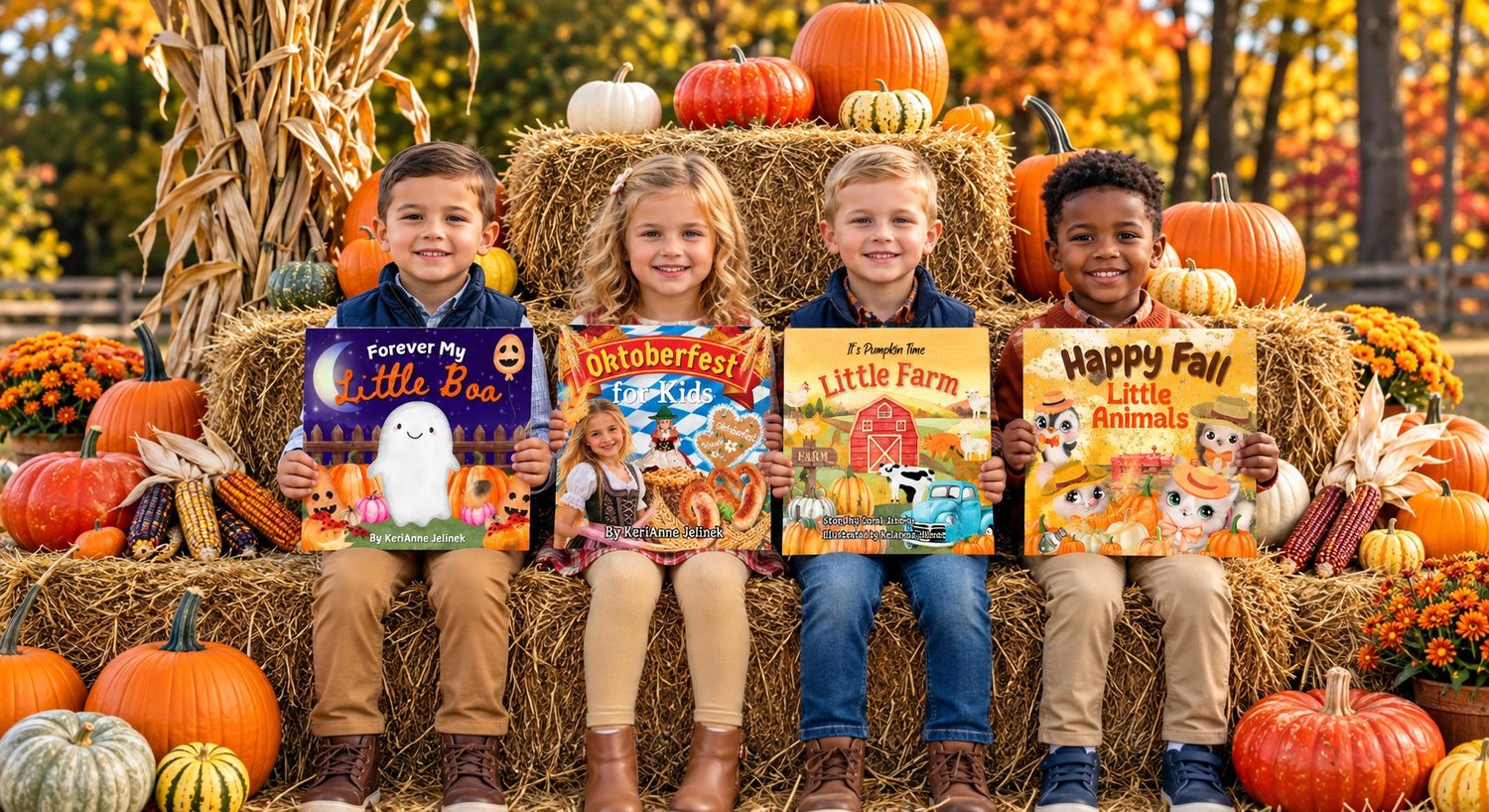
As the leaves turn golden and the air turns crisp, it's the perfect time for educators and parents to engage children in the vibrant worlds of Fall, Halloween, and Dia de los Muertos through literacy. These seasonal themes offer rich opportunities to explore culture, tradition, nature, and storytelling, making literacy education both fun and meaningful.
In this blog, we'll dive into the magic of Fall and Halloween literacy themes, explore the beautiful traditions of Dia de los Muertos, and share an array of books and classroom activities that inspire learning, creativity, and cultural appreciation. Whether you're teaching young readers or guiding older students, these ideas will help you create a festive and educational atmosphere this season.
Why Fall, Halloween, and Dia de los Muertos Are Perfect for Literacy
Fall is a season of transformation, filled with sensory experiences—from the rustling of leaves to the rich colors of harvest. Halloween brings excitement and imagination with its spooky tales and playful costumes. Dia de los Muertos, celebrated primarily in Mexico and by Latino communities worldwide, offers a profound cultural perspective on life, death, and remembrance with vibrant rituals and stories.
These themes naturally lend themselves to literacy learning because they invite children to explore new vocabulary, understand traditions, and tell their own stories. They also encourage empathy and cultural awareness, key components of social-emotional learning.
Fall Literacy Themes and Books
Fall-themed literacy centers around nature, harvest, and the changing environment. Books about animals preparing for winter, pumpkin patches, and autumn festivities connect children to the world around them.
- Books to Explore:
- "Leaf Man" by Lois Ehlert – A beautiful picture book that uses collage art to tell a story about leaves and nature’s changes.
- "Fletcher and the Falling Leaves" by Julia Rawlinson – A gentle story about a fox experiencing the seasons and the cycle of life.
- "Pumpkin Jack" by Will Hubbell – A tale of a pumpkin’s journey from the patch to Halloween and beyond.
- Classroom Activities:
- Leaf Collection and Description: Have students collect different leaves and describe their shapes, colors, and sizes. This promotes vocabulary and observation skills.
- Autumn Acrostic Poems: Encourage children to write acrostic poems using the word "FALL" or "AUTUMN," exploring descriptive language.
- Story Mapping: After reading a fall-themed book, students create story maps to sequence events, enhancing comprehension.
Halloween Literacy: Fun and Spooky Stories
Halloween offers a playful way to engage children with imaginative stories that balance spooky fun and humor. Halloween-themed literacy activities help develop narrative skills, rhyme recognition, and creative writing.
- Books to Explore:
- "Room on the Broom" by Julia Donaldson – A rhythmic story about a kind witch and her animal friends.
- "The Little Old Lady Who Was Not Afraid of Anything" by Linda Williams – A spooky, repetitive tale perfect for group reading.
- "Creepy Carrots!" by Aaron Reynolds – A funny and slightly eerie story about a rabbit who thinks carrots are after him.
- Classroom Activities:
- Rhyme Time: Use Halloween poems and stories to identify rhymes and create new rhyming verses.
- Character Costume Writing: Have students choose a Halloween character and write a short descriptive paragraph or story about them.
- Spooky Story Starters: Provide prompts like "In the haunted house, I found..." to spark creative writing.
Dia de los Muertos Literacy: Honoring Culture and Tradition
Dia de los Muertos, or Day of the Dead, celebrated on November 1st and 2nd, is a vibrant tradition honoring deceased loved ones with altars, offerings, and storytelling. Introducing this theme in literacy encourages respect for cultural diversity and deepens understanding of Mexican heritage.
- Books to Explore:
- "The Day of the Dead / El Día de los Muertos" by Bob Barner – A bilingual introduction to the holiday’s symbols and traditions.
- "Sugar Skulls" by Carmen Tafolla – A poetic and colorful book describing the holiday’s customs and joyful remembrance.
- "Dia de los Muertos: A Celebration of Life" by Roseanne Greenfield Thong – A picture book that explains the holiday’s meaning and rituals.
- Classroom Activities:
- Altar Creation: Have students create classroom altars (ofrendas) with pictures, drawings, or objects that represent someone they remember or admire.
- Story Sharing: Invite students to share stories about family traditions or people they honor, promoting oral storytelling skills.
- Symbol Exploration: Study traditional symbols like marigolds, sugar skulls, and papel picado, then create related art projects paired with descriptive writing.
Integrating Literacy with Cross-Curricular Activities
Connecting literacy with art, science, and social studies enhances engagement and deepens learning. Consider these ideas:
- Science: Study the science of fall changes—why leaves change color, hibernation, and harvest cycles. Have students write reports or journals.
- Social Studies: Explore cultural traditions around fall and death across the world, comparing Halloween and Dia de los Muertos.
- Art and Writing: Combine art projects (like pumpkin carving designs or sugar skull decorating) with descriptive writing or poetry.
Tips for a Successful Literacy Season
- Incorporate diverse books that reflect different cultures and perspectives.
- Use multimedia—videos, music, and storytelling—to bring traditions to life.
- Create a cozy, festive reading nook with themed decorations to invite curiosity.
- Encourage family involvement by suggesting books and activities for home.
- Balance spooky fun with respectful exploration of cultural themes like Dia de los Muertos.
Closing Thoughts
Fall, Halloween, and Dia de los Muertos offer a rich tapestry of themes perfect for inspiring literacy in children. Through stories, poems, and activities, students not only develop reading and writing skills but also connect to nature, culture, and community in meaningful ways. Embrace this season with open arms and watch your classroom come alive with creativity, learning, and celebration.
Next time, we'll explore winter holiday literacy ideas that keep the magic going. Until then, happy reading and happy fall!
