


🚀 Exploring Space & Planets: A Journey Beyond Our World!
Get ready to blast off into one of the most exciting topics for kids and learners of all ages—space! From glowing stars to mysterious planets, the universe is full of wonder, science, and discovery. This guide is perfect for teachers, parents, and curious kids (ages 5–12) who want to explore what’s beyond our planet in a fun and engaging way.
🌌 What Is Space?
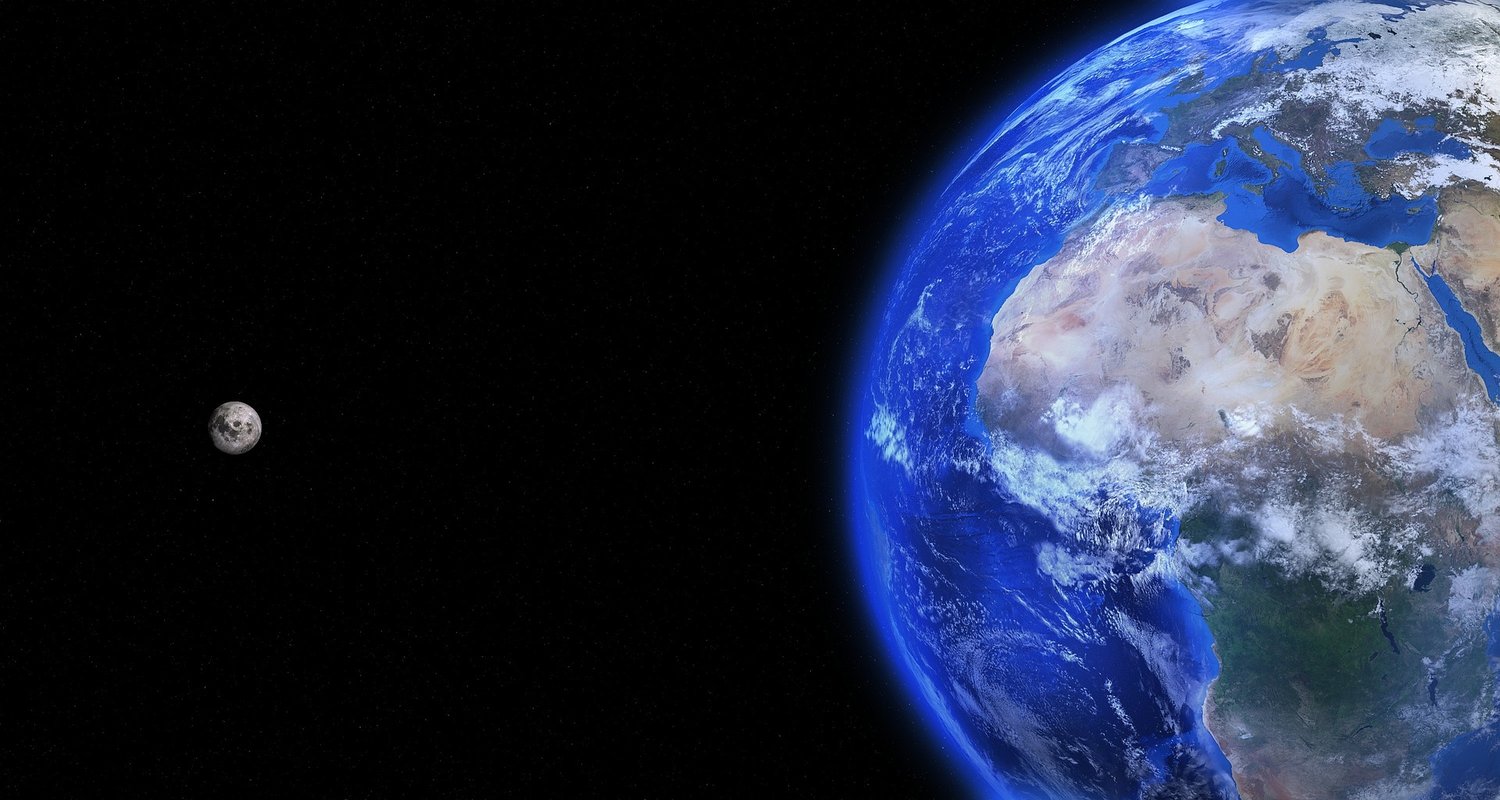
Space is everything that exists beyond Earth’s atmosphere. It’s a vast, mostly empty place filled with stars, planets, moons, asteroids, comets, and galaxies.
👉 Space is so big that scientists still don’t know exactly how large it is—it may even be infinite!
☀️ Our Solar System: Our Space Neighborhood
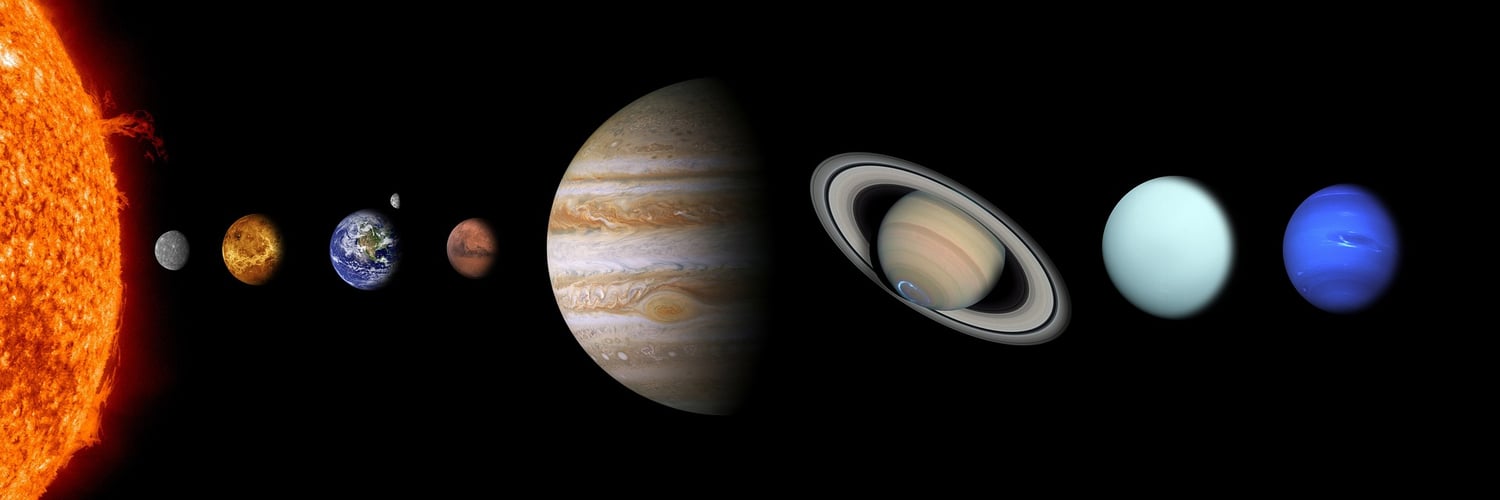
We live in a group of planets called the solar system, which is centered around the Sun.
🌍 The 8 Planets in Order from the Sun:
- Mercury
- Venus
- Earth
- Mars
- Jupiter
- Saturn
- Uranus
- Neptune
👉 Pluto used to be considered a planet but is now classified as a dwarf planet.
🌟 The Sun: Our Closest Star
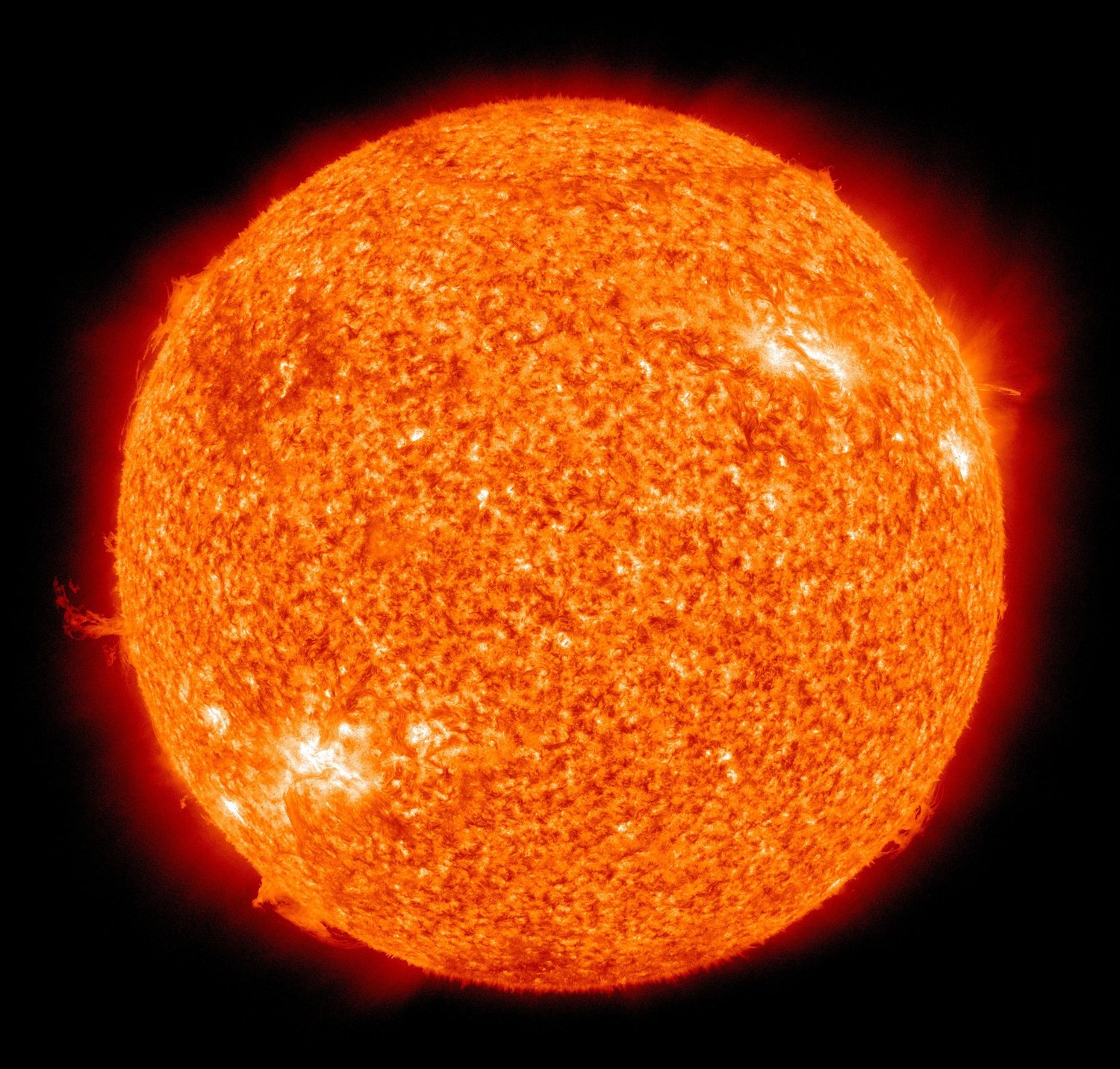
The Sun is a massive ball of hot gas that provides light and heat to all the planets.
- 🌡️ Surface temperature: about 10,000°F (5,500°C)
- 🔥 Core temperature: about 27 million°F (15 million°C)
- ⚖️ Makes up about 99.8% of the solar system’s mass
👉 Without the Sun, life on Earth wouldn’t exist!
🪐 Meet the Planets
Each planet is unique and fascinating in its own way:
🌡️ Inner Planets (Rocky Worlds)
- Mercury – Closest to the Sun, very hot and cold
- Venus – Hottest planet due to thick atmosphere
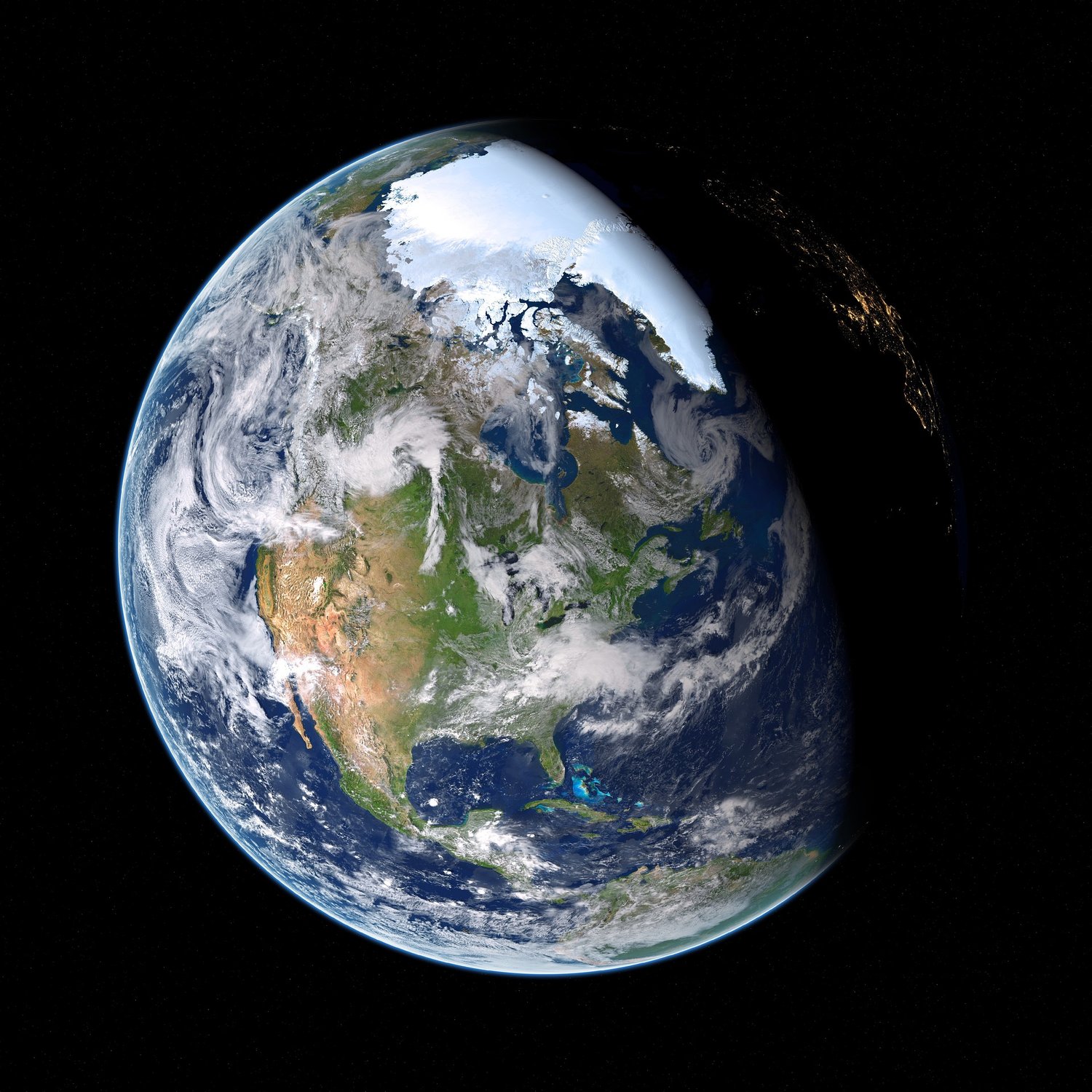
- Earth – The only known planet with life 🌍
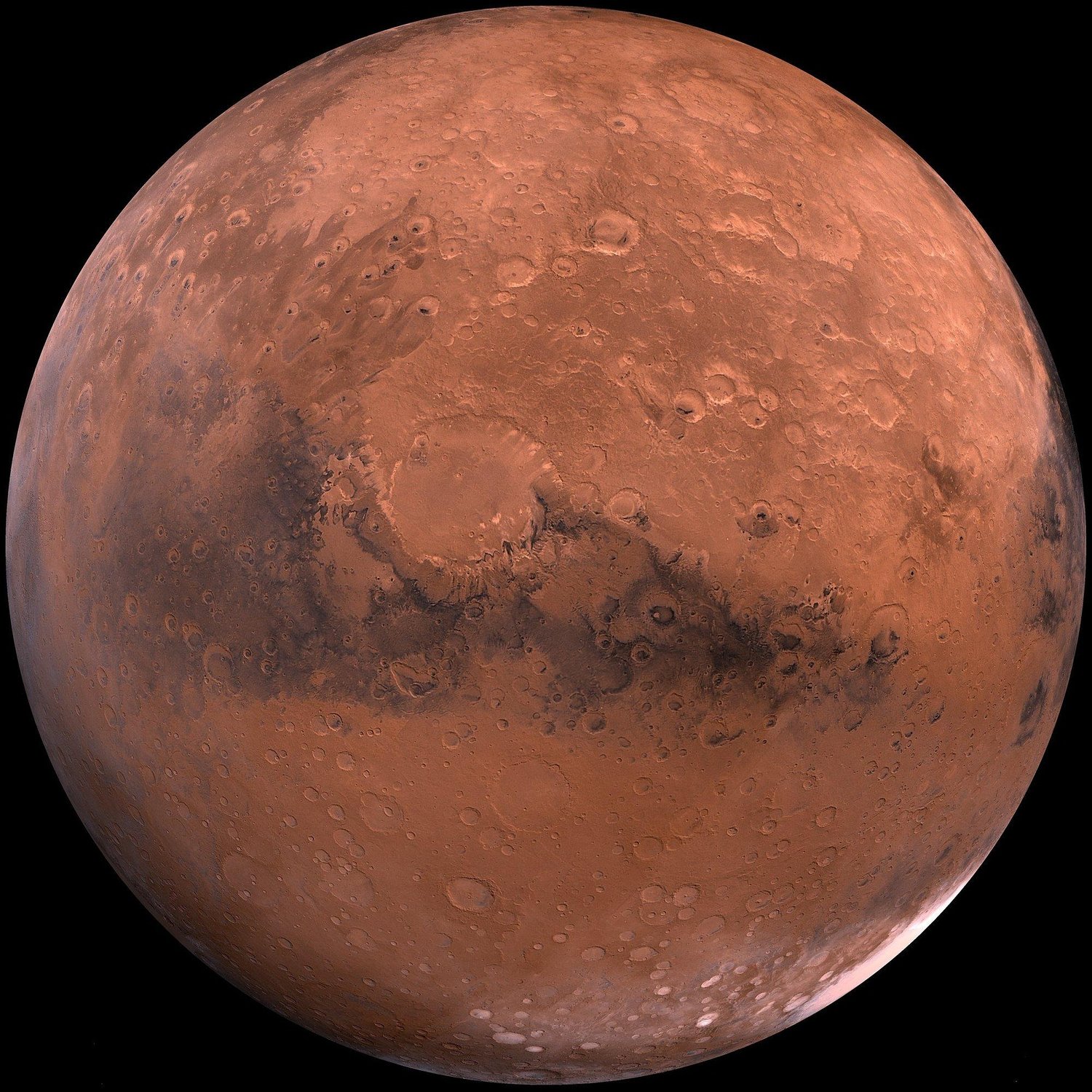
- Mars – Known as the “Red Planet,” may have had water
🌪️ Outer Planets (Gas & Ice Giants)
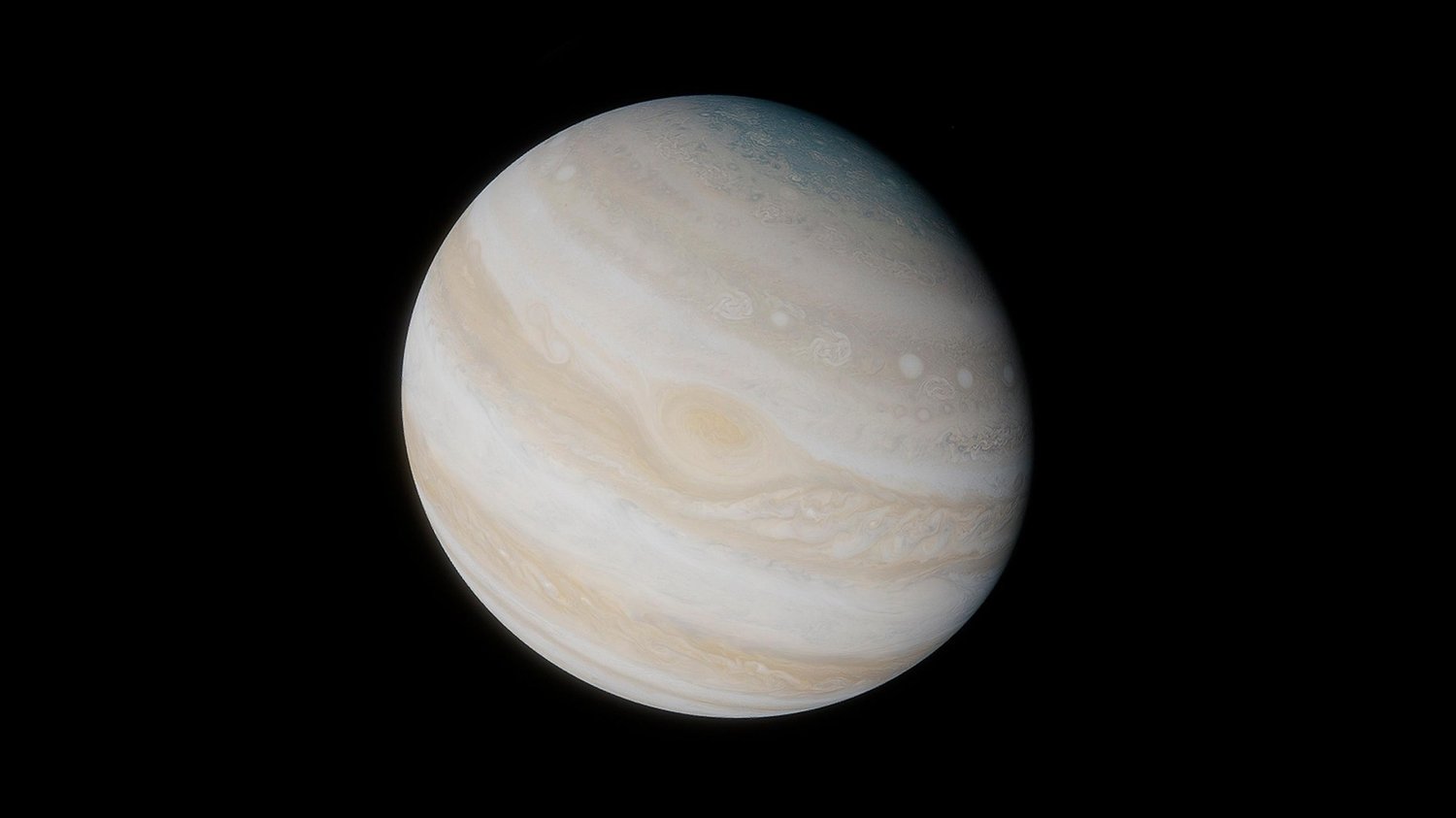
- Jupiter – Largest planet, famous for its Great Red Spot
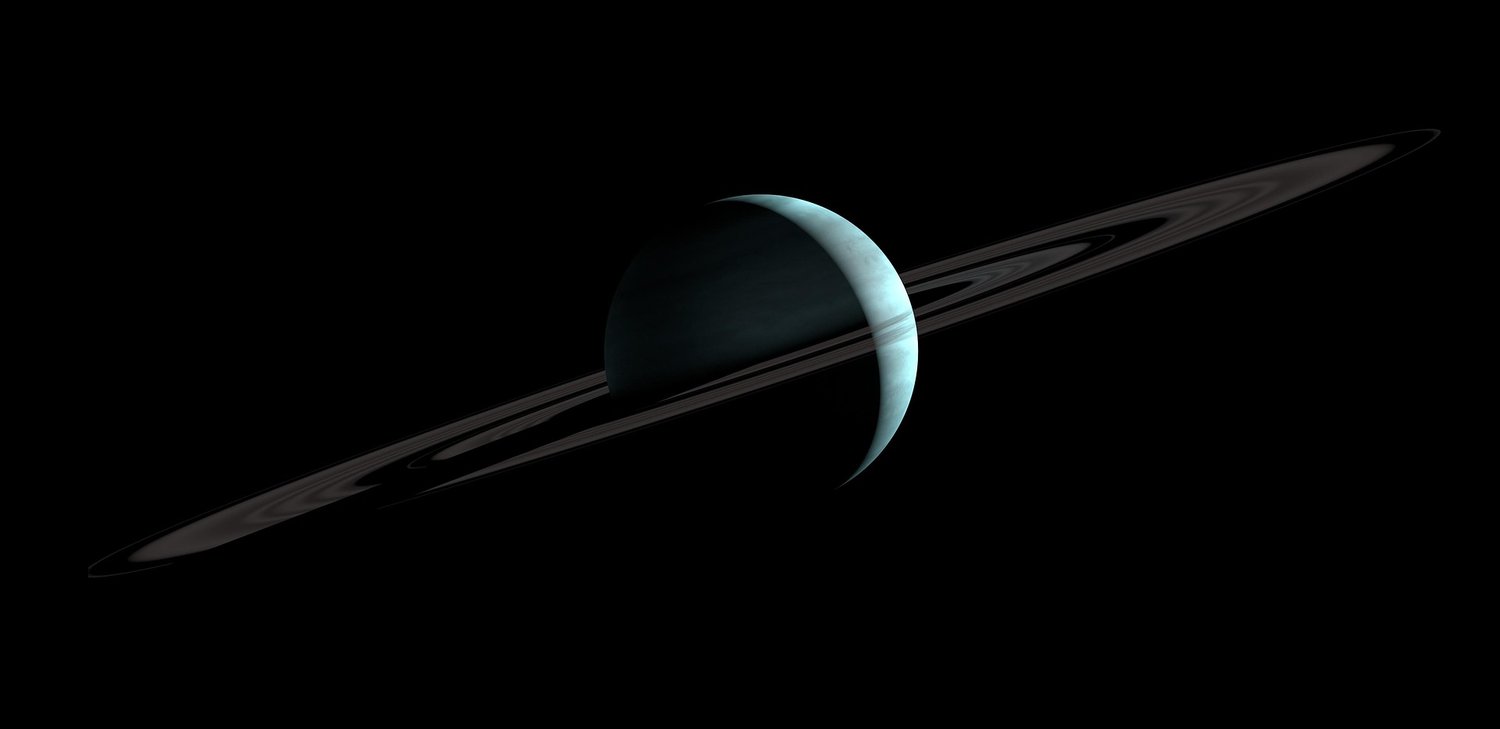
- Saturn – Known for its beautiful rings
- Uranus – Rotates on its side
- Neptune – Cold, windy, and farthest from the Sun
👉 Jupiter is so big that over 1,300 Earths could fit inside it!
🌙 Moons, Asteroids & Comets
Space isn’t just planets!
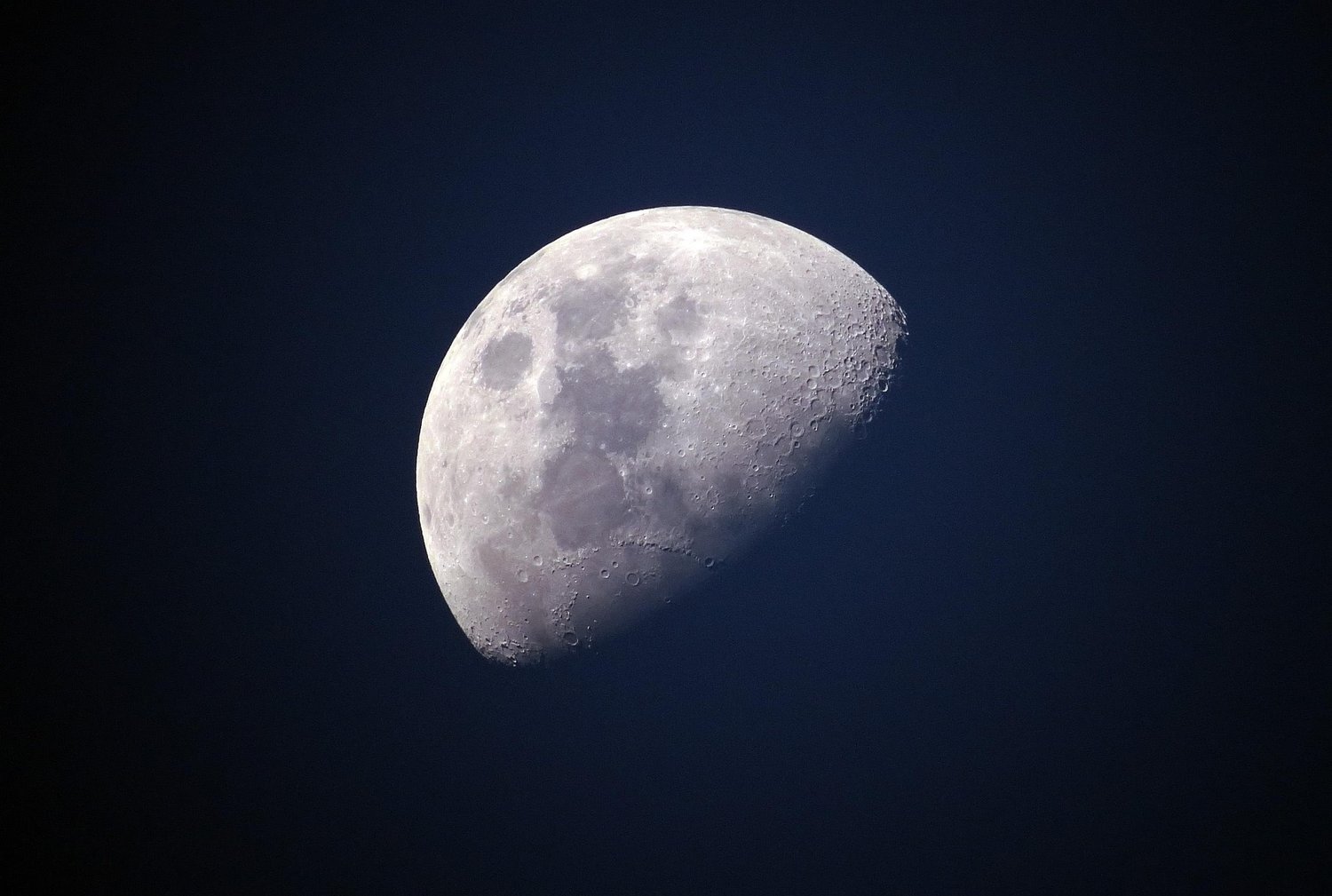
🌙 Moons
- Natural satellites that orbit planets
- Earth has one moon, but Jupiter has over 90!
☄️ Asteroids
- Rocky objects mostly found in the asteroid belt between Mars and Jupiter
🌠 Comets
- Made of ice and dust
- Develop glowing tails when they get close to the Sun
🌌 Galaxies & the Universe
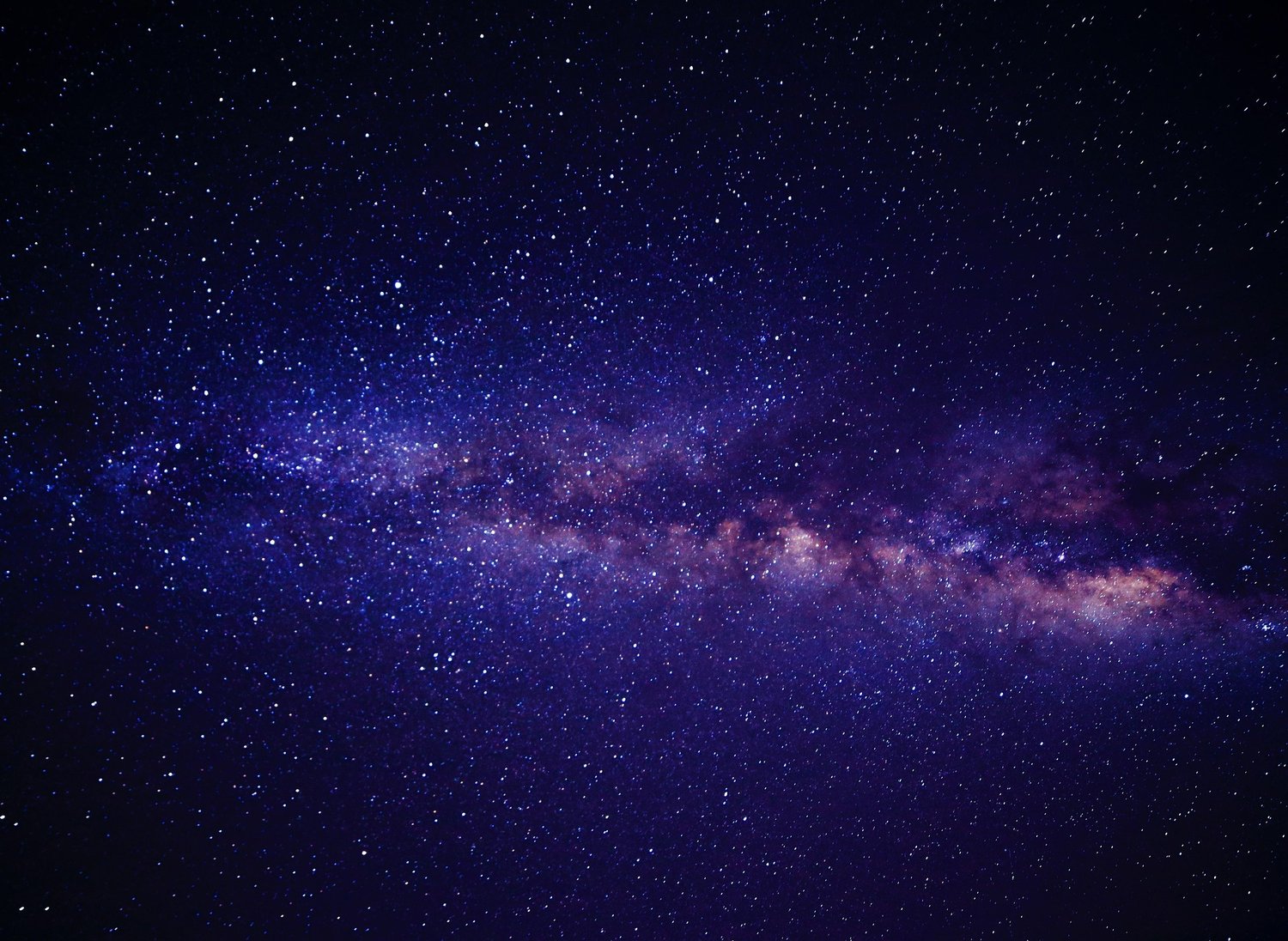
Our solar system is part of a galaxy called the Milky Way.
- 🌟 Contains billions of stars
- 🌌 There are billions of galaxies in the universe
- 🌠 Some galaxies are shaped like spirals, others like ovals or irregular blobs
👉 The nearest galaxy to us is the Andromeda Galaxy!
🚀 Space Exploration: How We Learn About Space
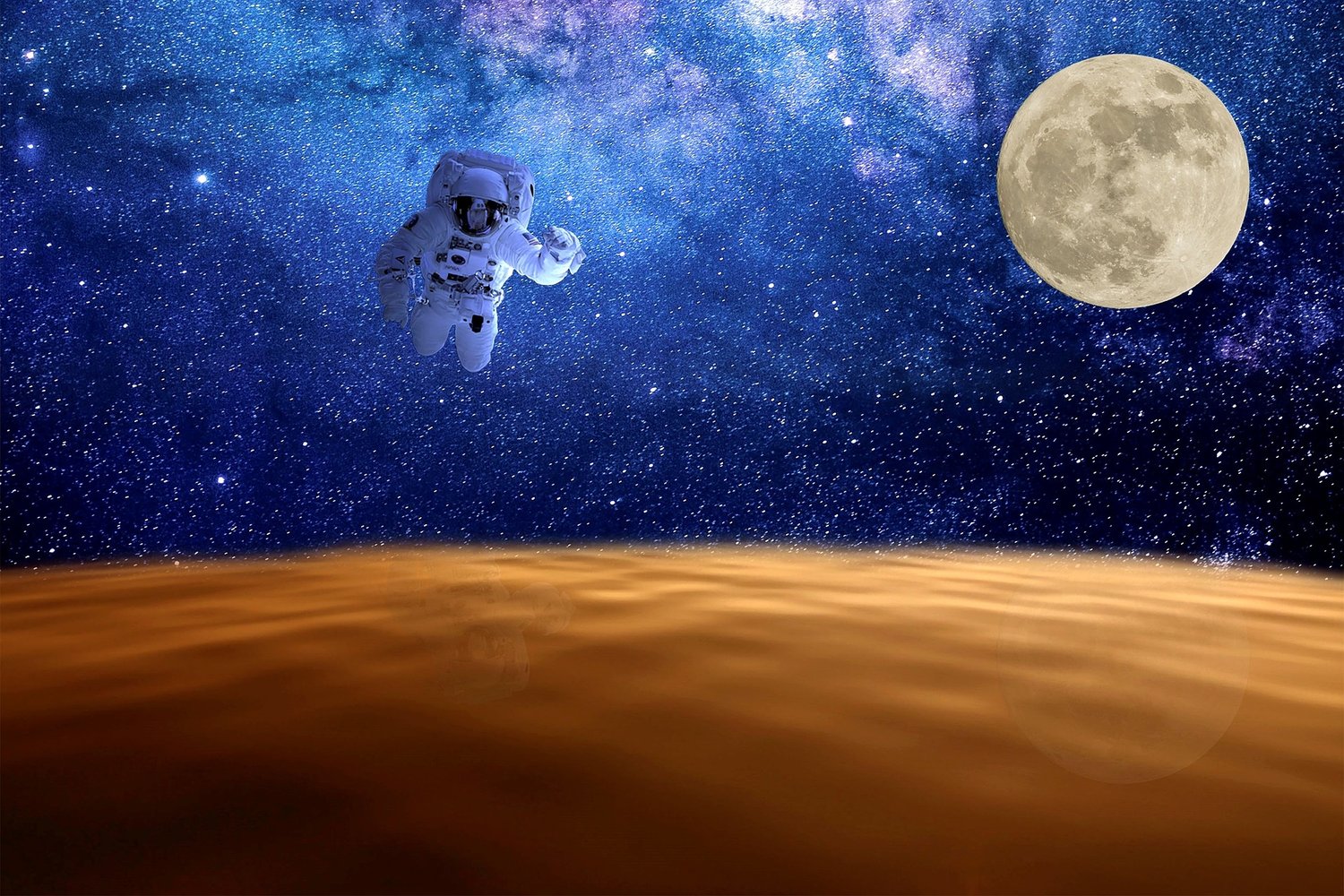
Humans have been exploring space for decades using rockets, satellites, and telescopes.
🧑🚀 Key Milestones:
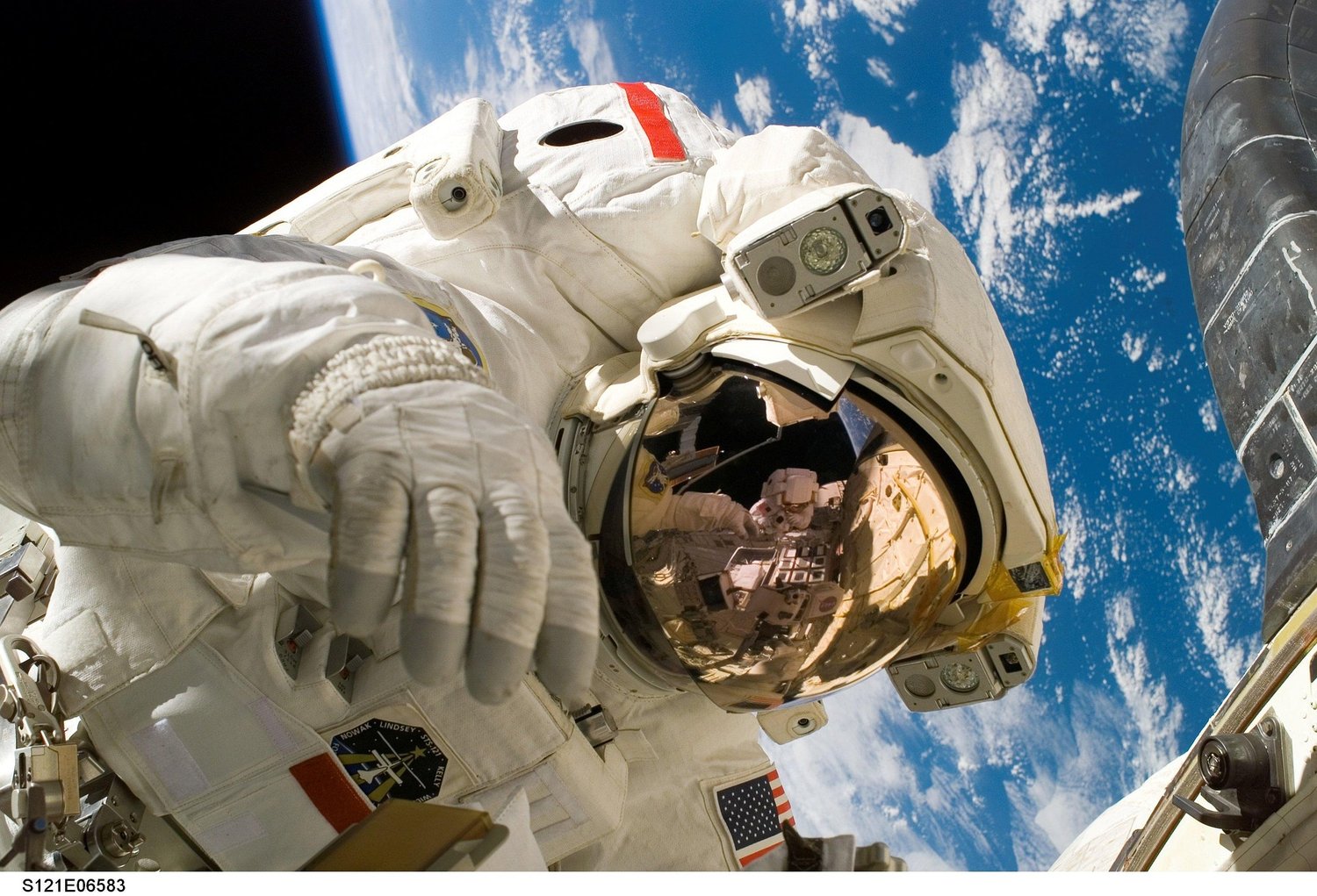
- Apollo 11 Moon Landing – First humans walked on the Moon
- 🛰️ Satellites orbit Earth and help with communication and weather
- 🔭 Telescopes like the Hubble Space Telescope capture incredible images of space
👉 Today, scientists are exploring Mars and beyond with robotic missions!
🪐 What Is Gravity?
Gravity is the force that pulls objects toward each other.
- Keeps planets orbiting the Sun
- Keeps us standing on Earth
- Controls how objects move in space
👉 The bigger an object is, the stronger its gravity!
🌟 Fun & Amazing Space Facts
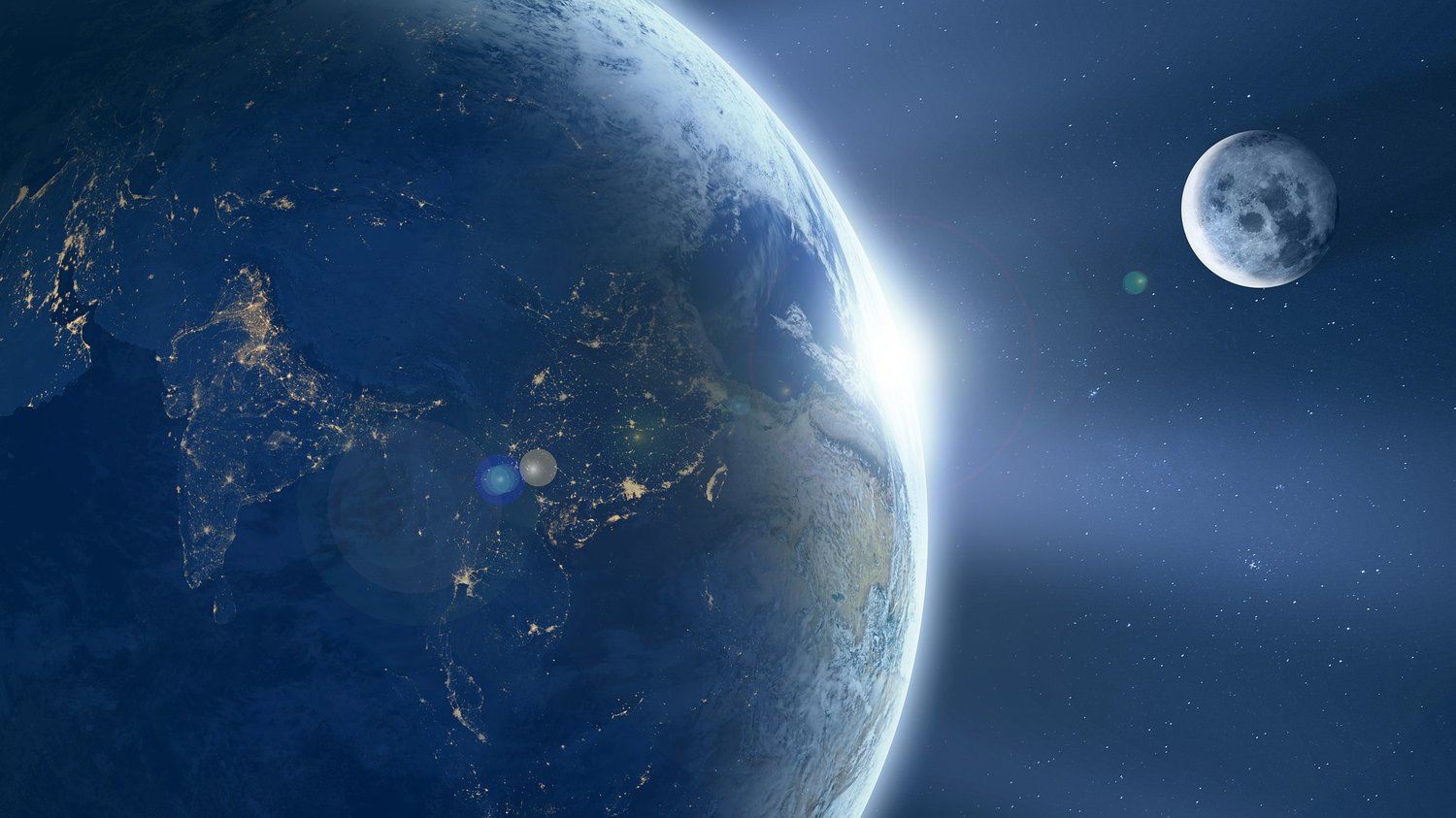
- 🌍 Earth is the only known planet with life
- 🌙 The Moon helps control Earth’s tides
- 🪐 Saturn’s rings are made of ice and rock
- 🌌 Light from some stars takes millions of years to reach us
- 🚀 There are more stars in the universe than grains of sand on Earth!
📚 10 Space & Planet Books for Kids (Ages 5–12)
- National Geographic Kids: Planets by Elizabeth Carney
- There’s No Place Like Space! by Tish Rabe
- The Magic School Bus Lost in the Solar System by Joanna Cole
- DK Space! Encyclopedia
- I Am Neil Armstrong by Brad Meltzer
- Look Inside Space by Rob Lloyd Jones
- Solar System for Kids by Betsey Rathburn
- Astrophysics for Young People in a Hurry by Neil deGrasse Tyson
- Planets by Gail Gibbons
- Sammy Explores Space by KeriAnne Jelinek 🌟
🎨 5 Fun Space Activities
1. 🚀 Build a Rocket Ship
Use cardboard tubes and paper to design your own rocket!
2. 🌌 Create a Solar System Model
Use foam balls or drawings to represent each planet.
3. 🌙 Moon Crater Experiment
Drop small objects into flour to simulate craters.
4. ✨ Stargazing Night
Go outside and look for constellations and planets.
5. 🪐 Invent a New Planet
Have kids imagine a brand-new planet—what is it like? Who lives there?
💡 Teaching Tips for Parents & Educators
- Combine science + imagination for deeper learning
- Use storytelling (like Sammy’s adventures!) to explain concepts
- Connect space topics to math (distance, size) and reading
- Encourage curiosity: “What do you think is out there?”
🌠 Final Thoughts
Space is one of the most exciting and mysterious topics kids can explore. It inspires imagination, scientific thinking, and a sense of wonder about the universe.
✨ The more we learn about space, the more we realize there is still so much to discover. Keep exploring, keep asking questions—and let your curiosity take you to the stars!
