


🌙 Nocturnal Animals & Their Biomes: Nighttime Explorers for Kids!
When the sun goes down and the world gets quiet, a whole new group of animals comes to life—nocturnal animals! 🦉✨
This guide is perfect for teachers, parents, and kids (ages 5–12) who want to explore how animals live, hunt, and survive in the dark across different biomes.
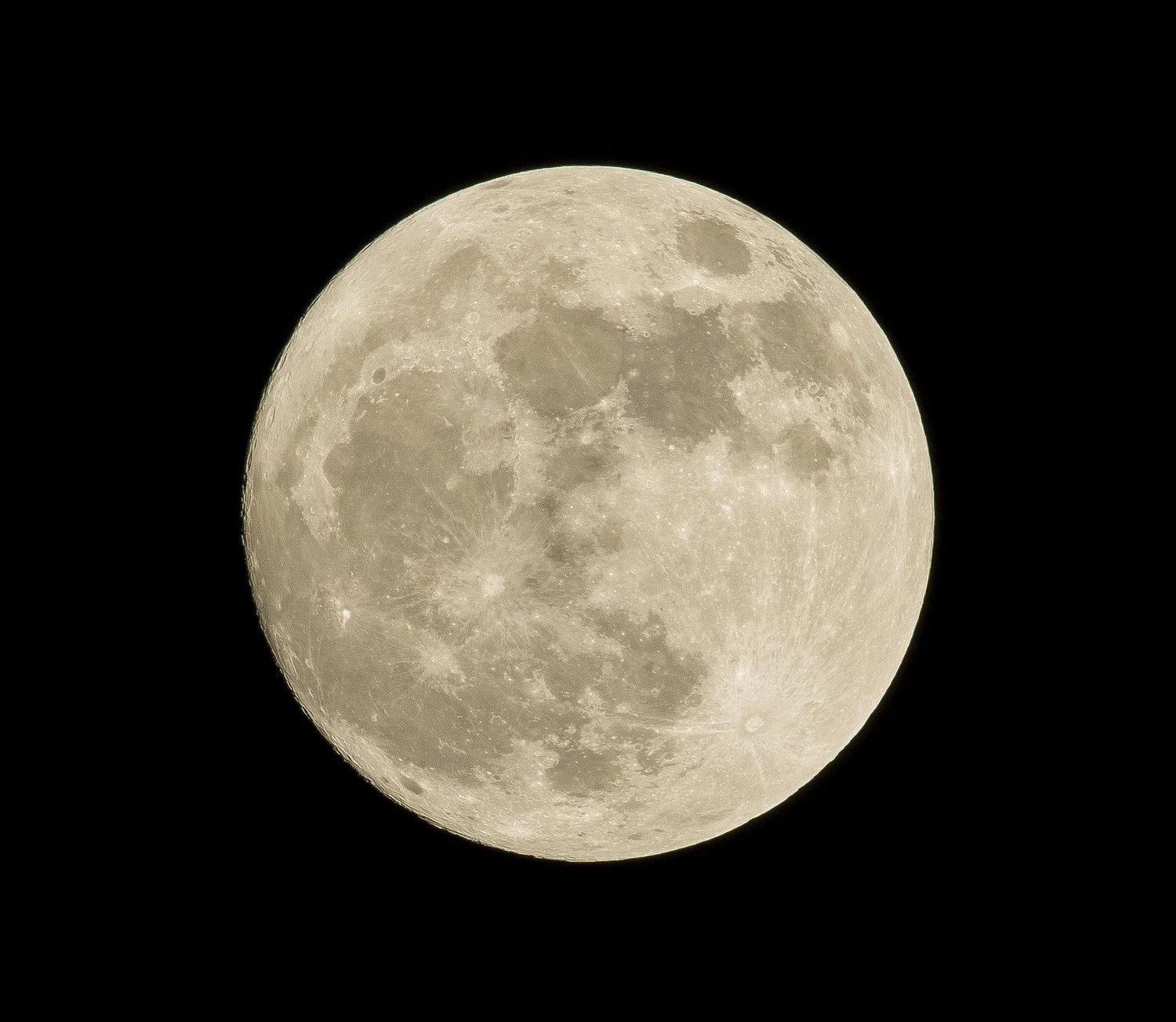
🌌 What Does “Nocturnal” Mean?
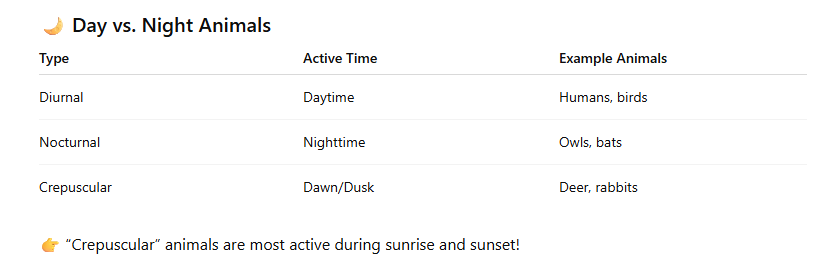
Nocturnal animals are animals that are active at night and sleep during the day.
👉 The opposite of nocturnal is diurnal, which means active during the day (like humans).
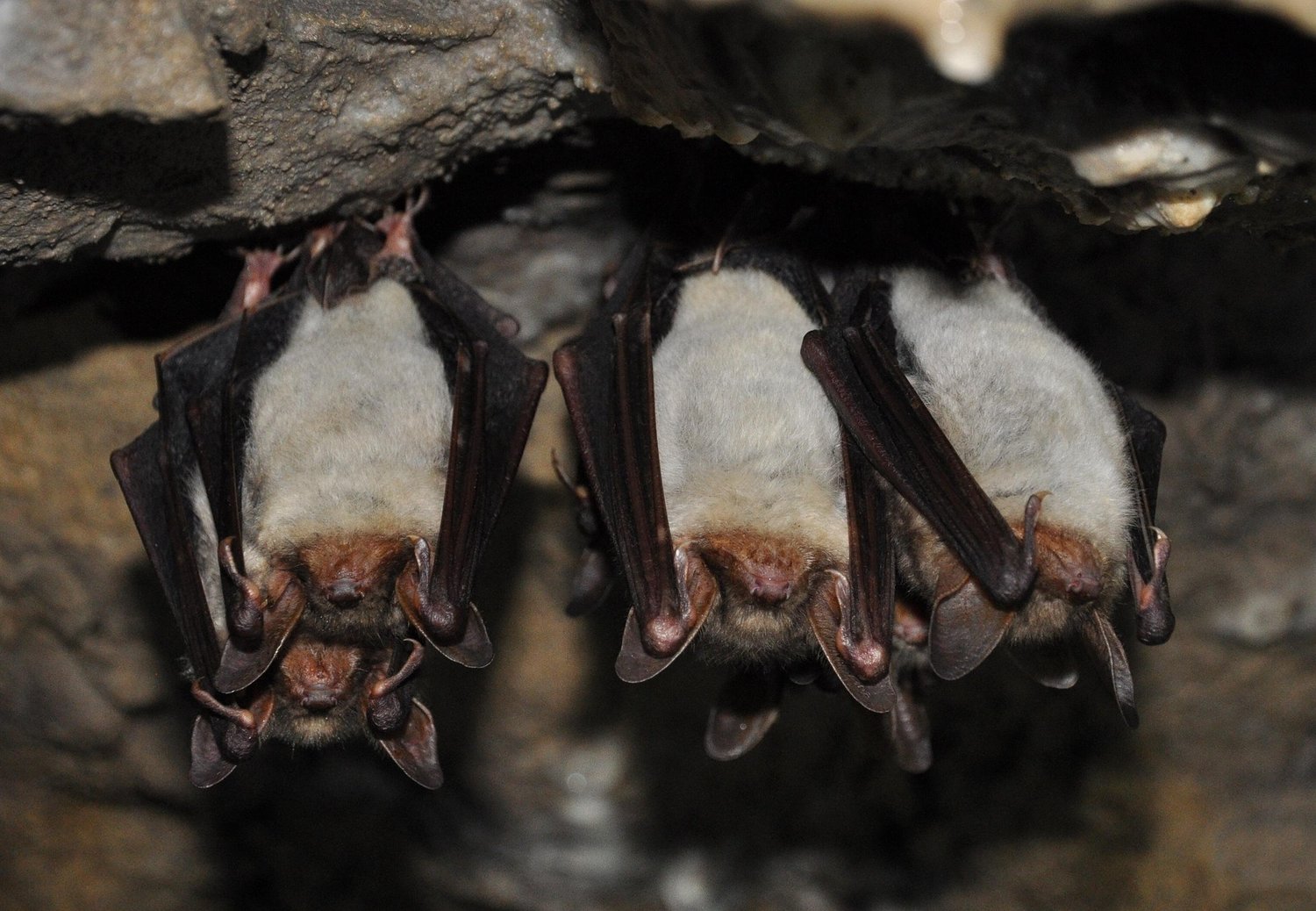
🌙 Why Are Some Animals Nocturnal?
Being active at night helps animals survive in many ways:
🌟 Benefits of Nighttime Living:
- 🌡️ Cooler temperatures (especially in hot places like deserts)
- 🐾 Avoid predators that hunt during the day
- 🍽️ Better access to food when competition is lower
- 🌑 Use darkness for protection while hunting
🐾 Special Adaptations for Night Life
Nocturnal animals have amazing features that help them see, hear, and move in the dark.
👀 Super Vision
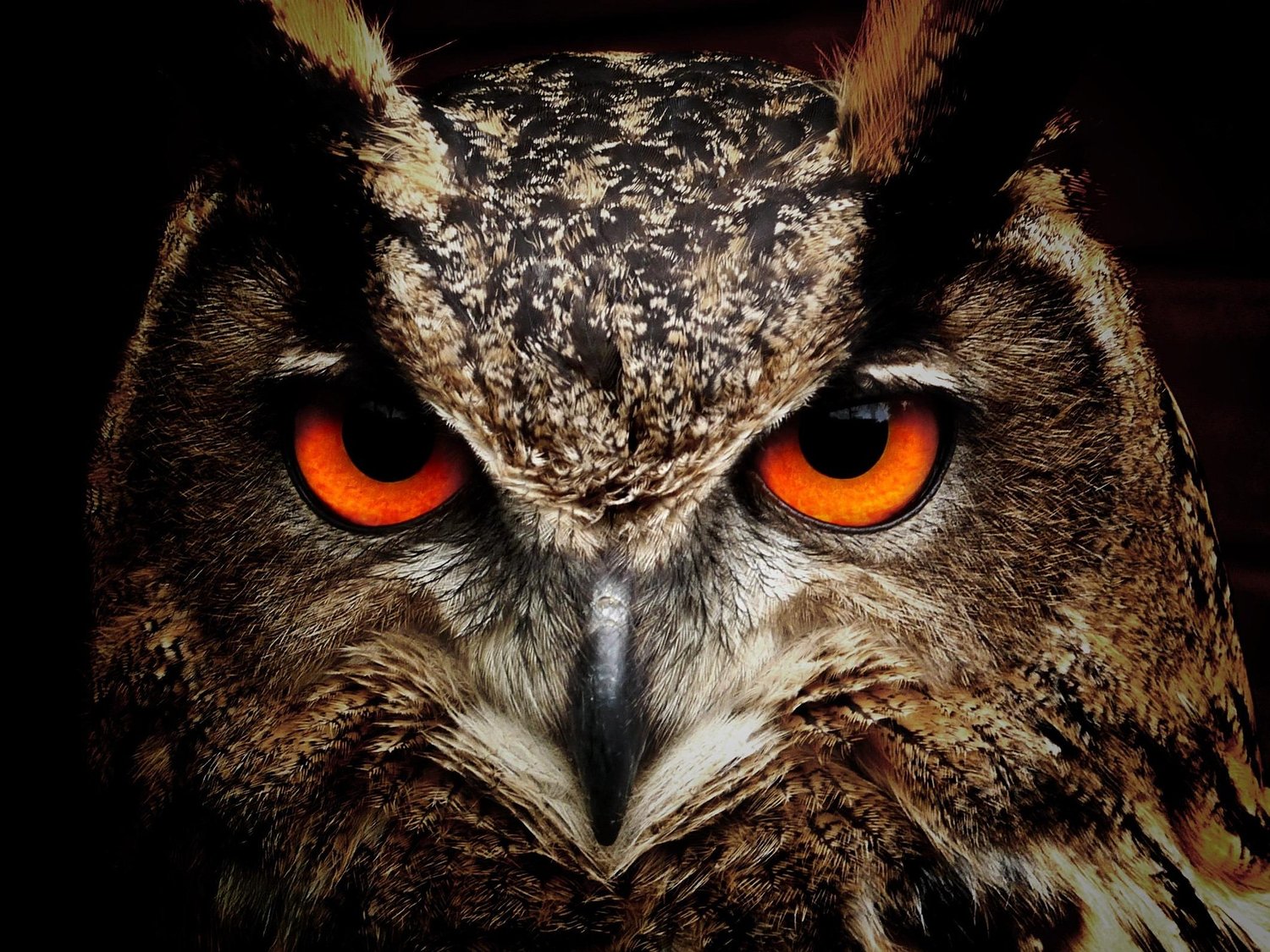
- Large eyes to gather more light
- Some animals have a reflective layer behind their eyes that helps them see at night
👂 Strong Hearing
- Owls and bats can hear tiny sounds from far away
👃 Powerful Smell
- Many nighttime animals rely on scent to find food
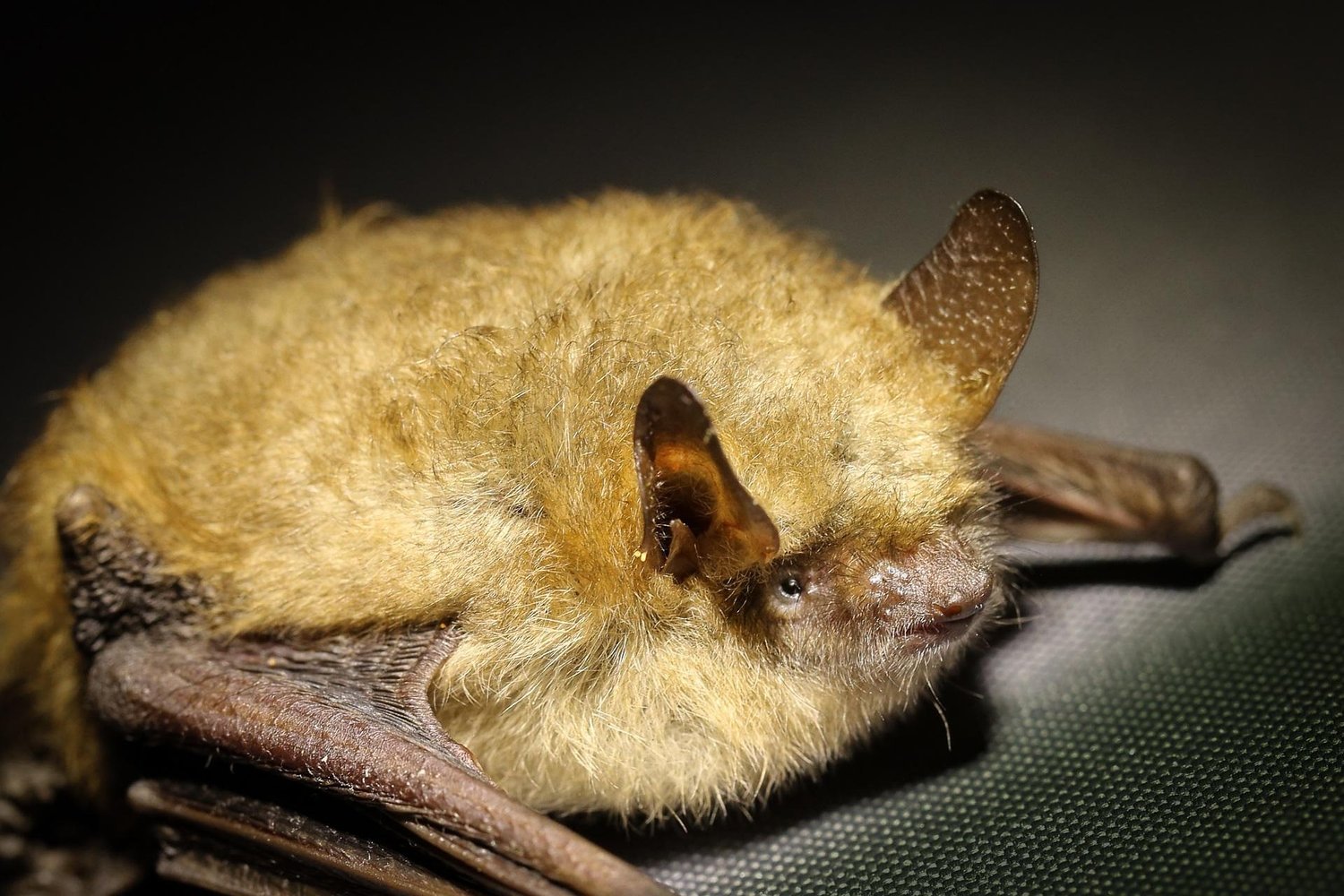
🦇 Echolocation
- Bats use sound waves to “see” in the dark
👉 These adaptations make nocturnal animals expert nighttime explorers!
🌍 Nocturnal Animals in Different Biomes
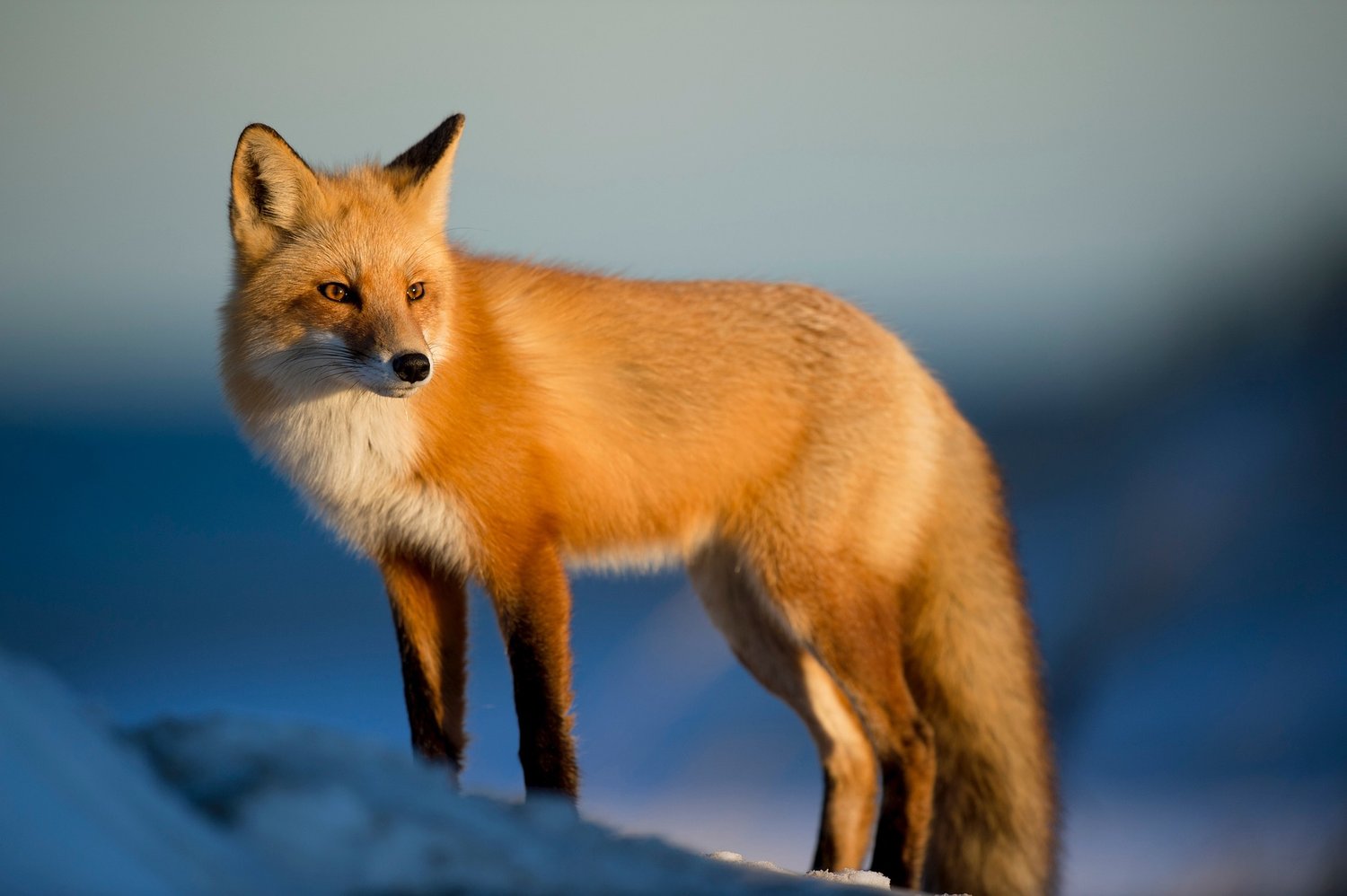
Nocturnal animals live all over the world—in many different environments called biomes.
🏜️ Desert Biome
Hot during the day, cool at night—perfect for nocturnal life!
Nocturnal Desert Animals:
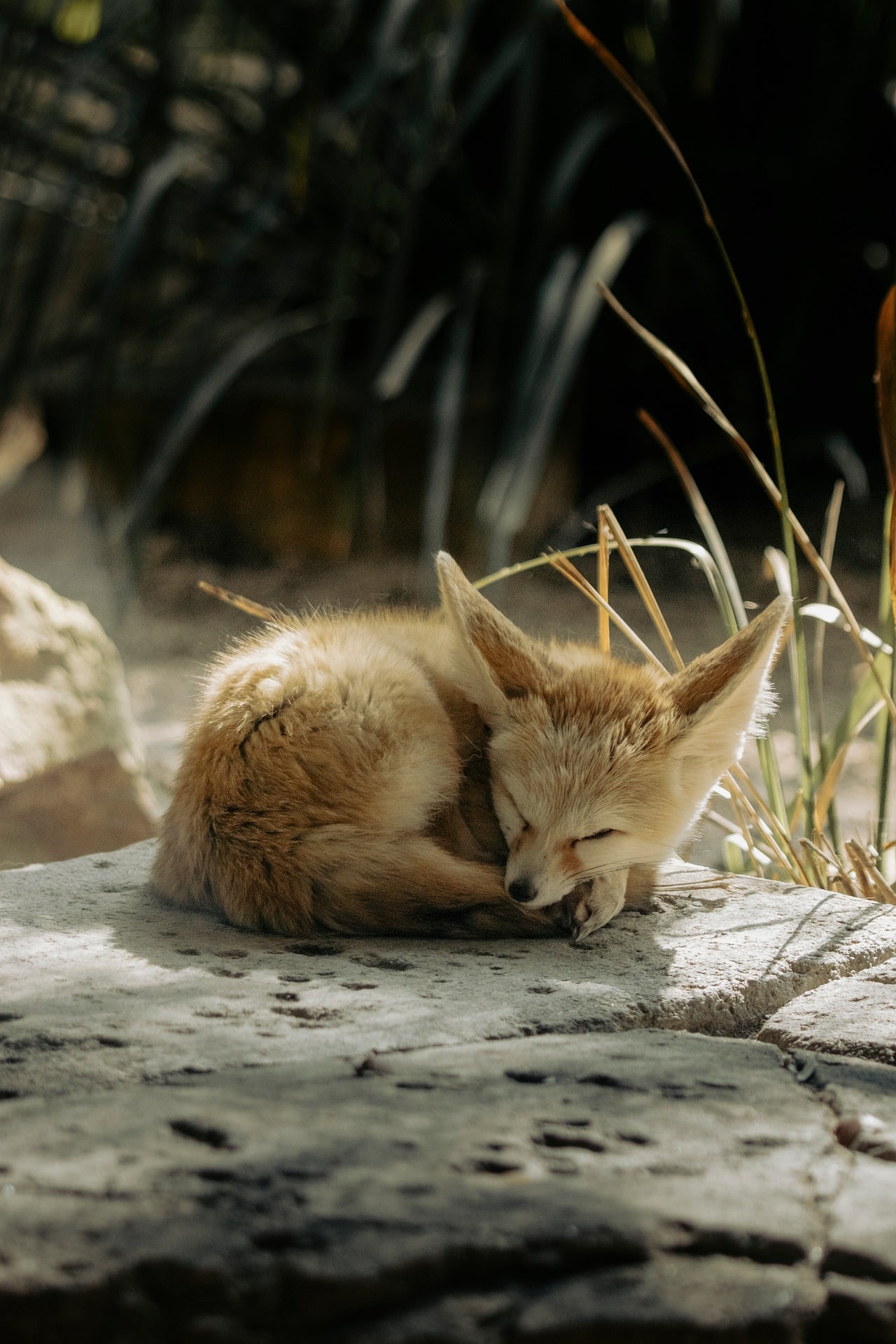
- 🦊 Fennec fox
- 🐍 Sidewinder snake
- 🐭 Kangaroo rat
👉 These animals come out at night to avoid the extreme daytime heat.
🌳 Forest Biome
Dense trees and lots of shelter make forests great homes for nighttime animals.
Nocturnal Forest Animals:
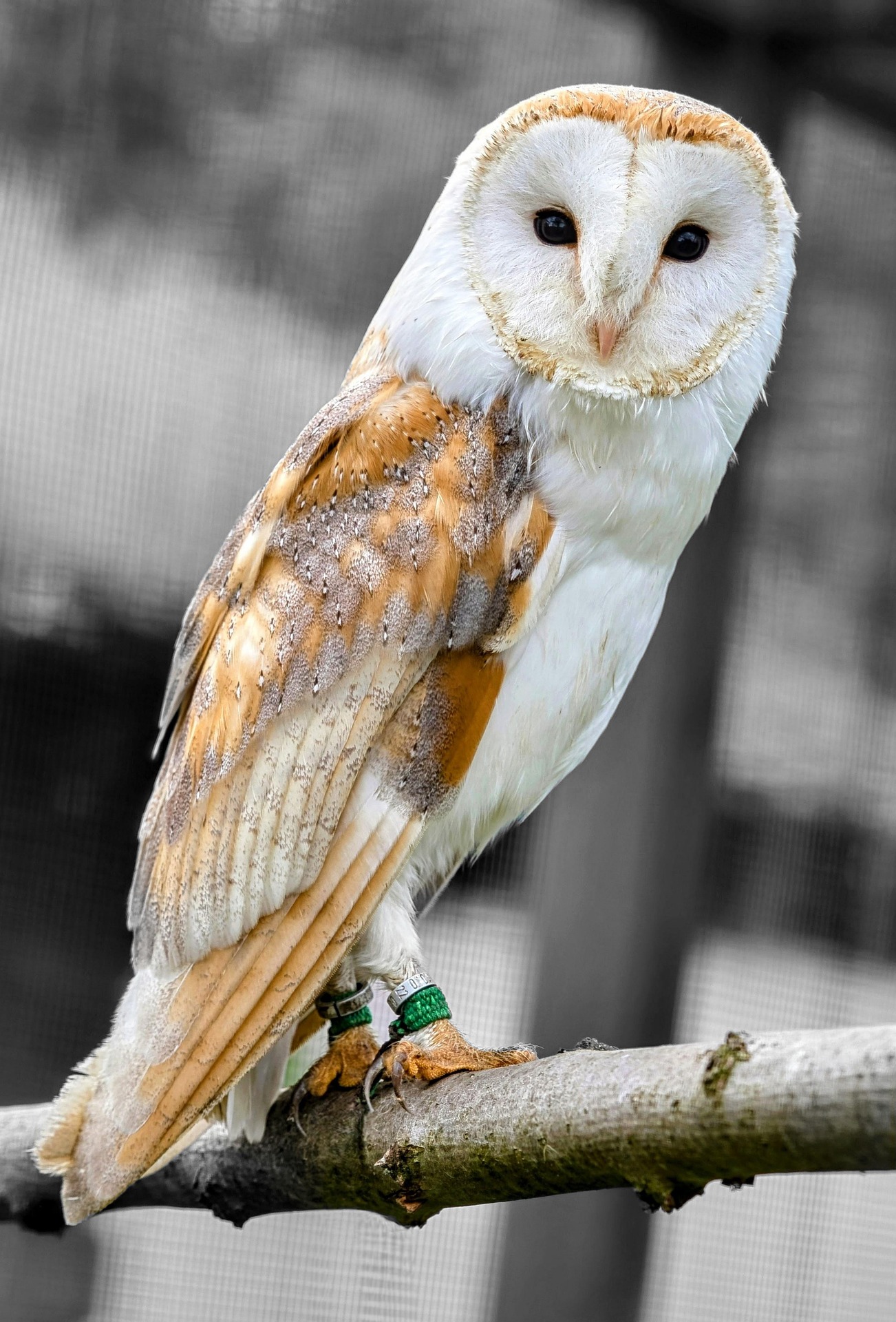
- 🦉 Owl
- 🦝 Raccoon
- 🦊 Fox
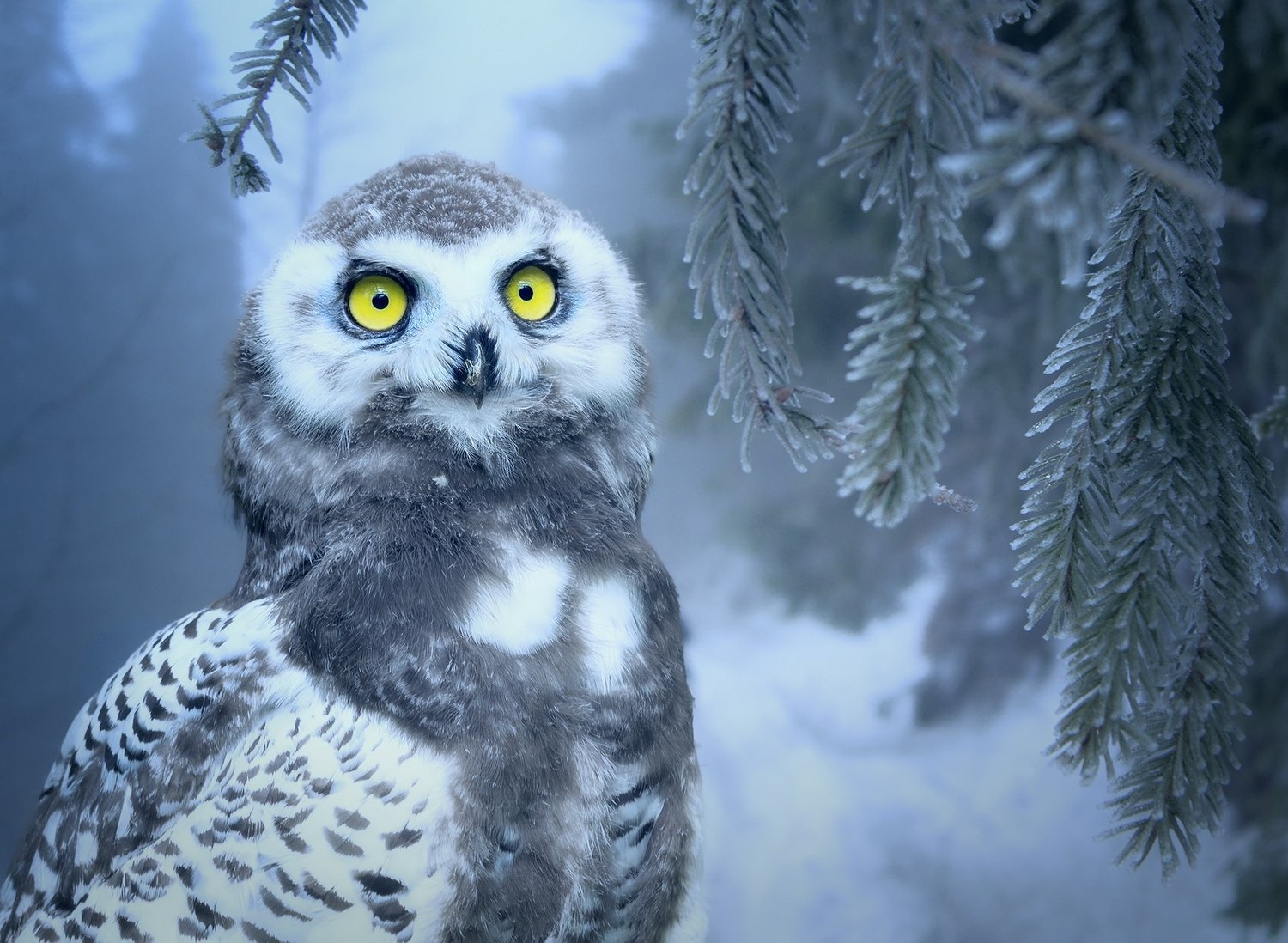
👉 Owls have silent wings, helping them sneak up on prey!
🌿 Rainforest Biome
Dark even during the day because of thick trees—making it ideal for nocturnal creatures.
Nocturnal Rainforest Animals:
- 🐒 Aye-aye
- 🐆 Ocelot
- 🐸 Tree frogs
👉 Many rainforest animals use bright colors or sounds to communicate at night.
❄️ Arctic & Cold Biomes
Long nights during winter mean animals must adapt to extended darkness.
Nocturnal Cold-Climate Animals:
- 🦊 Arctic fox
- 🦉 Snowy owl
👉 Some animals are active during both day and night depending on the season!
🌊 Ocean Biome
Even the ocean has nighttime activity!
Nocturnal Ocean Animals:
- 🦑 Squid
- 🐟 Some fish species
- 🐙 Octopus
👉 Some ocean creatures glow in the dark using bioluminescence!
🌟 Fun & Surprising Nocturnal Animal Facts
- 🦉 Owls can turn their heads up to 270 degrees
- 🦇 Bats are the only flying mammals
- 🐾 Raccoons use their hands to feel for food in the dark
- 🐸 Some frogs glow or make loud calls at night
- 🌌 Many nocturnal animals have eyes that shine in the dark
📚 10 Nocturnal Animal Books for Kids (Ages 5–12)
- Stellaluna by Janell Cannon
- Owl Babies by Martin Waddell
- The Night World by Mordicai Gerstein
- Good Night, Gorilla by Peggy Rathmann
- Night Animals by Gianna Marino
- What’s Awake? by Devin Scillian
- The Bat Book by Charlotte Milner
- Little Owl’s Night by Divya Srinivasan
- National Geographic Kids: Night Creatures
- Sammy Explores Nocturnal Animals by KeriAnne Jelinek 🌟
🎨 5 Fun Nocturnal Activities
1. 🌙 Night Animal Hunt (Indoor or Outdoor)
Look for animals or signs of animals at night (or pretend indoors!).
2. 🦉 Create a Nocturnal Animal Mask
Make an owl, bat, or fox mask using paper and craft supplies.
3. 🔦 Flashlight Tag Game
Play a safe, fun game in the dark to understand how animals move at night.
4. ✏️ Nighttime Story Writing
Write a story about an animal’s nighttime adventure.
5. 🌌 Star & Moon Observation
Observe the night sky and connect it to nocturnal animal behavior.
💡 Teaching Tips for Parents & Educators
- Turn off lights (safely) to simulate nighttime learning 🌙
- Compare day vs. night animal behaviors
- Incorporate science concepts like adaptation and habitats
- Ask questions like: “How would YOU survive in the dark?”
🌙 Final Thoughts
Nocturnal animals show us that life doesn’t stop when the sun goes down—it just changes! From glowing ocean creatures to silent forest hunters, the nighttime world is full of mystery and excitement.
✨ Encourage kids to explore, imagine, and discover the wonders of the night—because learning never sleeps!
