


🐞 Bugs for Kids: Tiny Creatures, Big Discoveries!
Get ready to explore the incredible world of bugs! 🐜✨ These tiny creatures are everywhere—on the ground, in the air, and even in your backyard. This guide is perfect for teachers, parents, and kids (ages 5–12) who want to learn how bugs live, grow, and help our planet.
🐛 What Are Bugs?
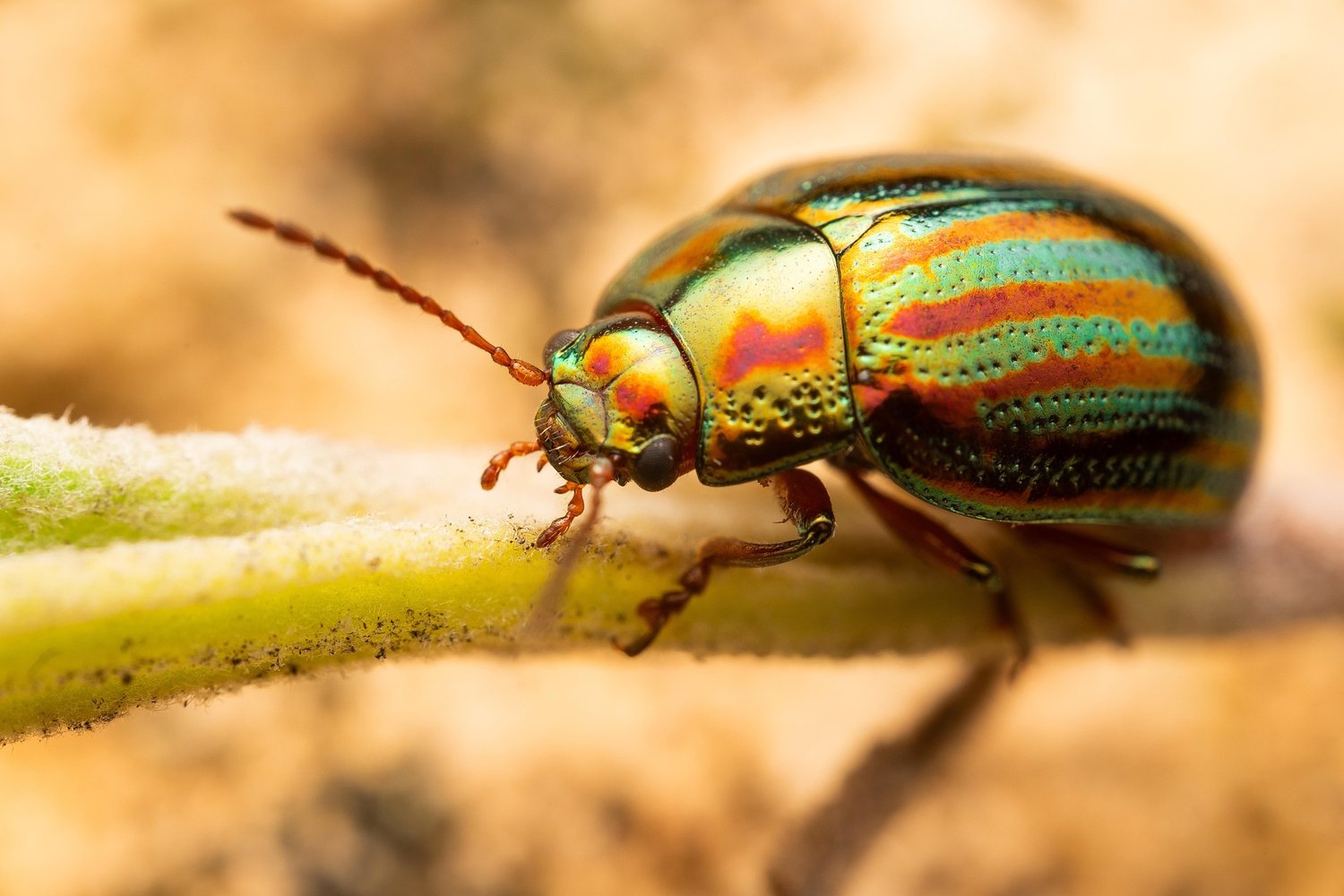
“Bugs” is a word we often use for many small crawling or flying creatures, but scientists use a more specific term: insects.
👉 Insects are part of the scientific study called Entomology.
🔍 What Makes an Insect an Insect?
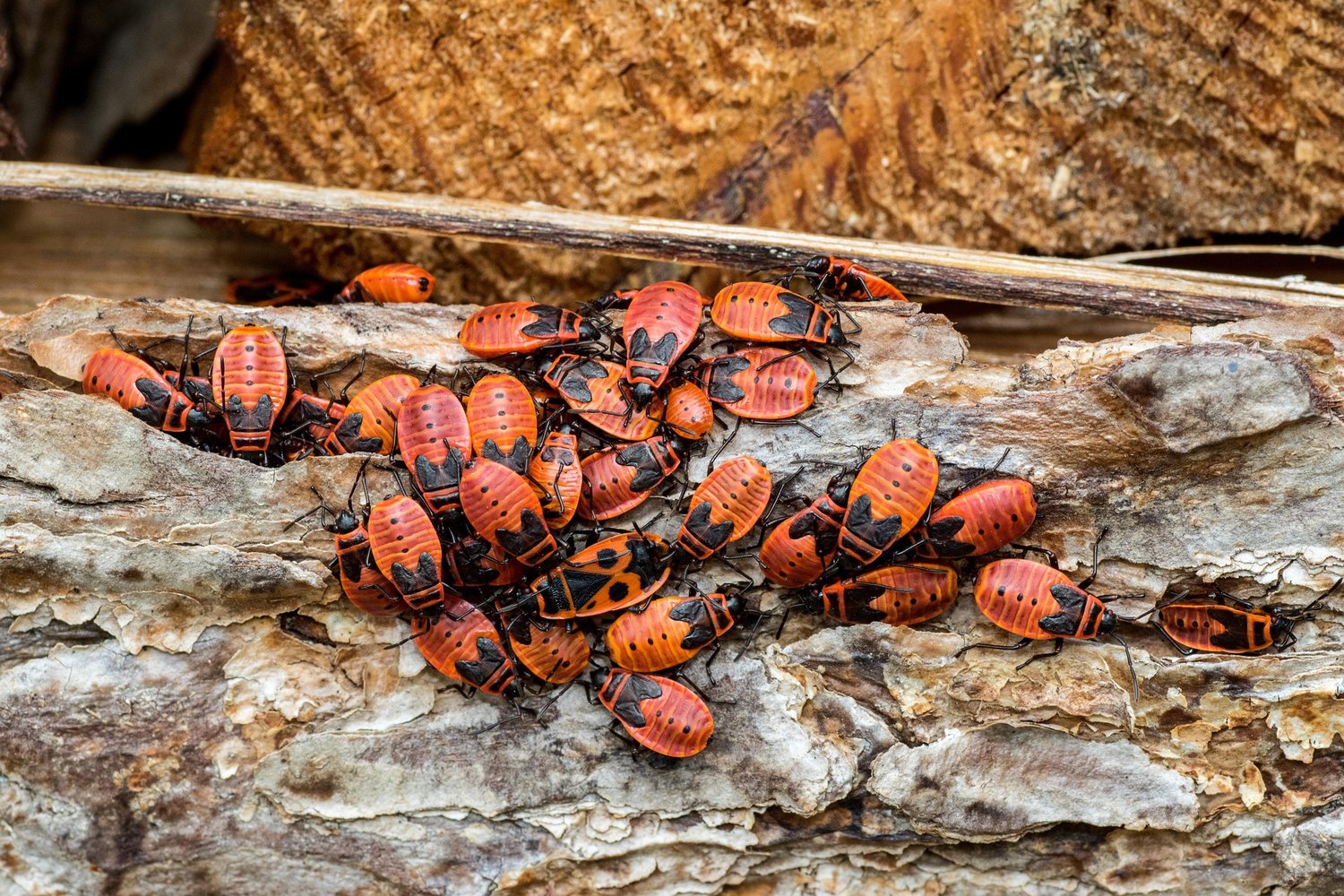
All insects share a few important features:
🧩 Insect Body Parts:
- 🟡 Three main body sections: Head, thorax, abdomen
- 🦵 Six legs
- 🪶 Antennae for sensing the world
- 🪽 Many have wings
👉 If it doesn’t have six legs (like spiders), it’s not an insect!
🐜 Types of Bugs You Might See
There are millions of insect species—more than any other group of animals on Earth!
🐞 Common Bugs:
- Ants – Live in colonies and work together
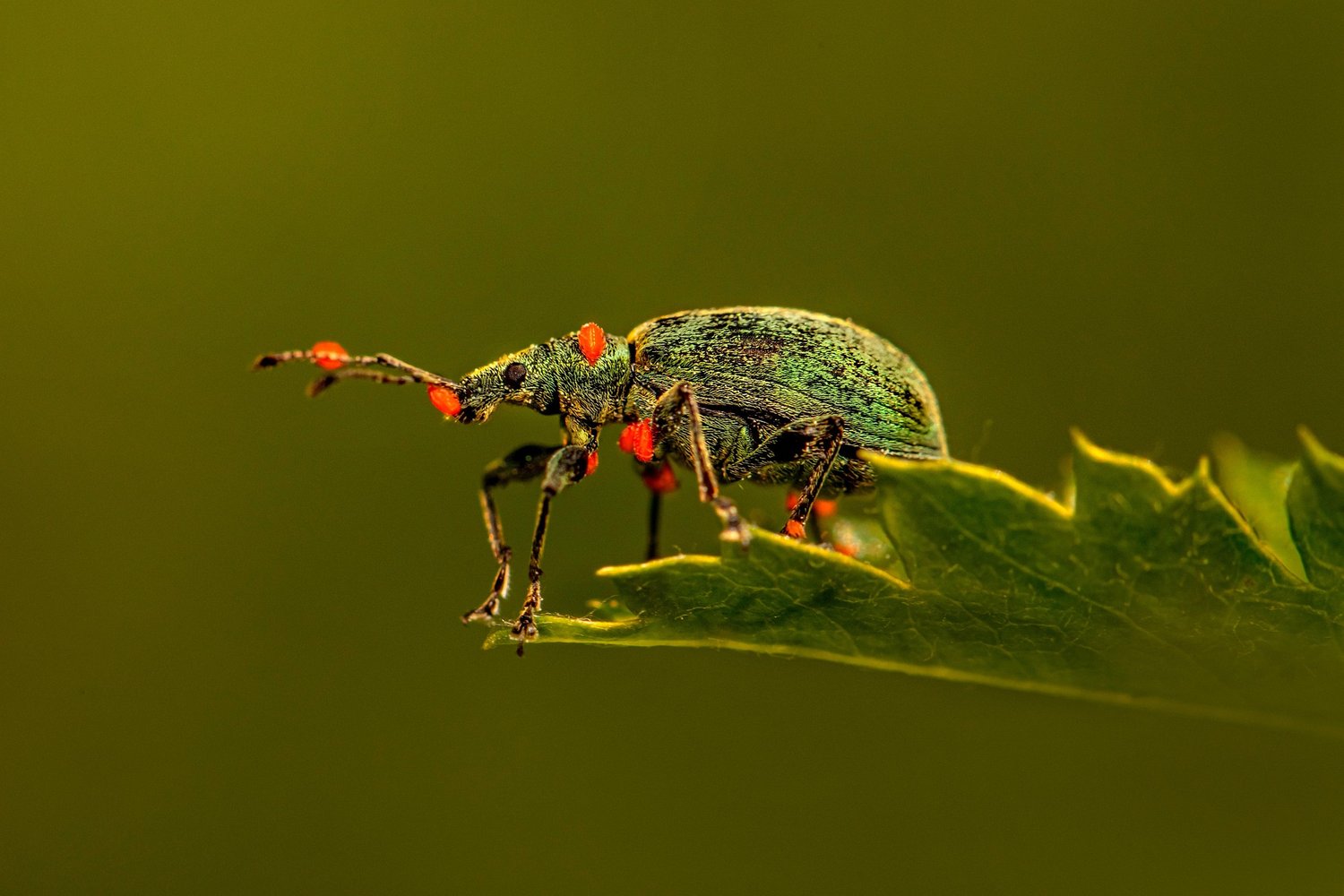
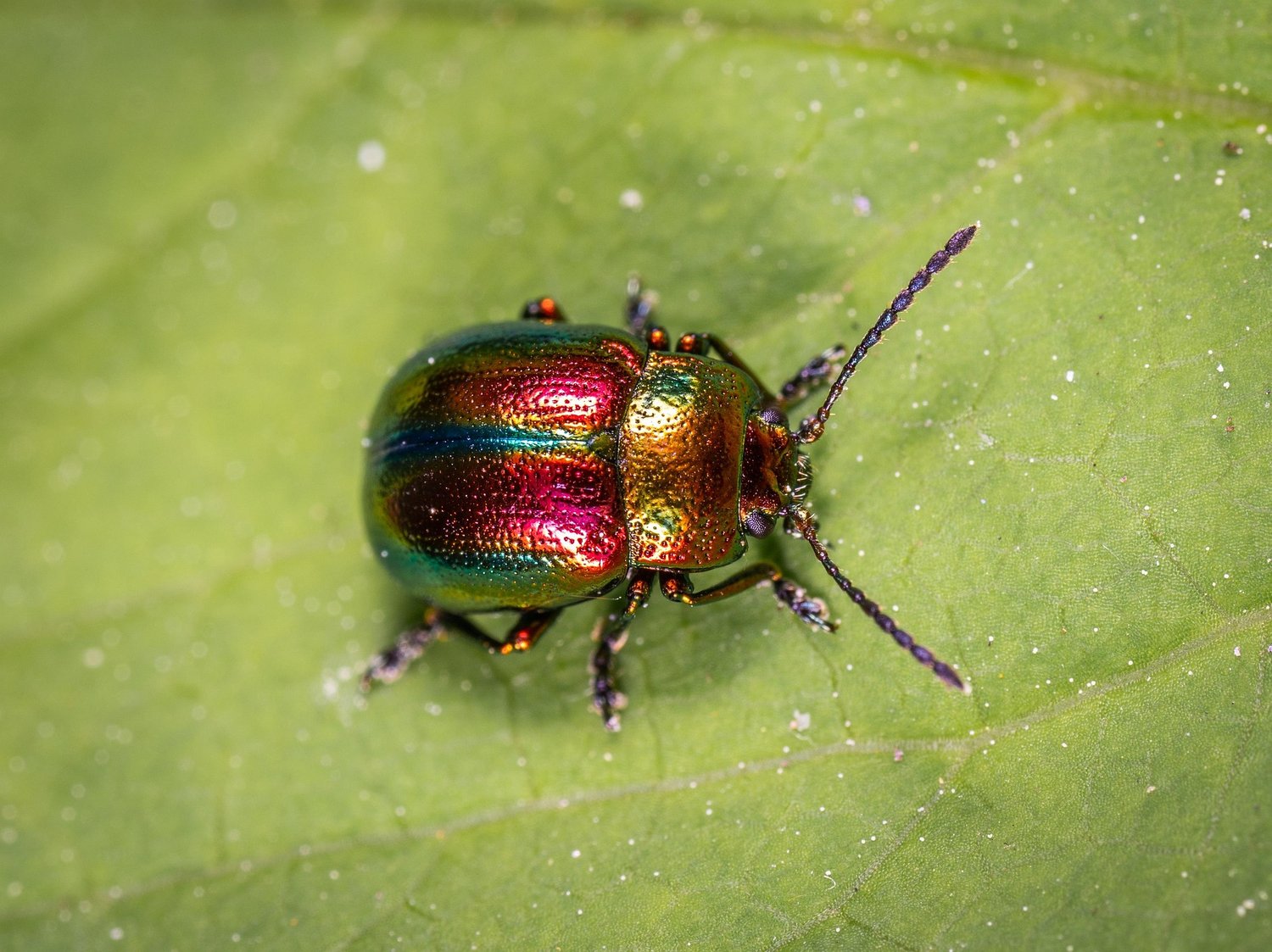
- Beetles – The largest group of insects
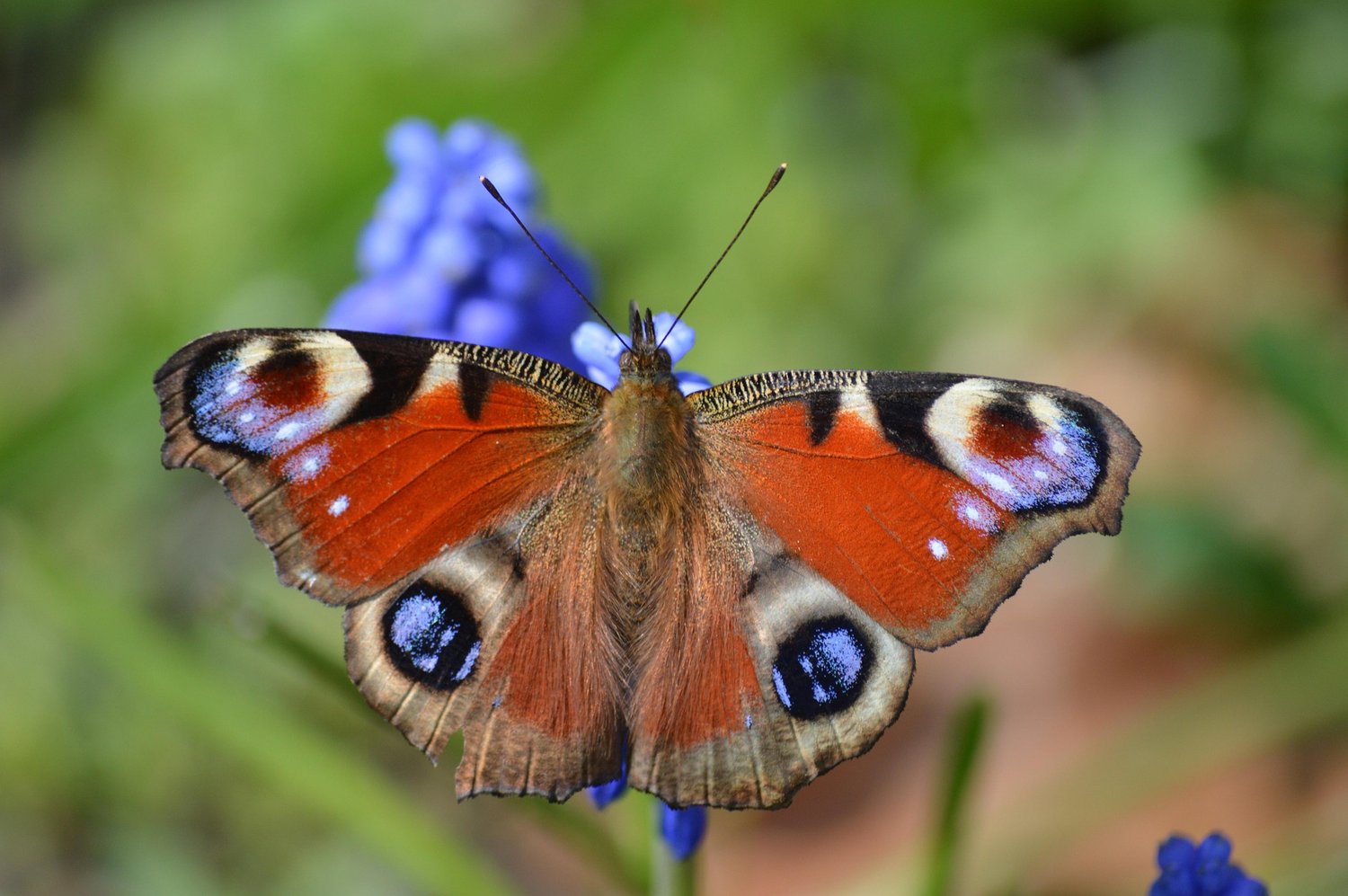
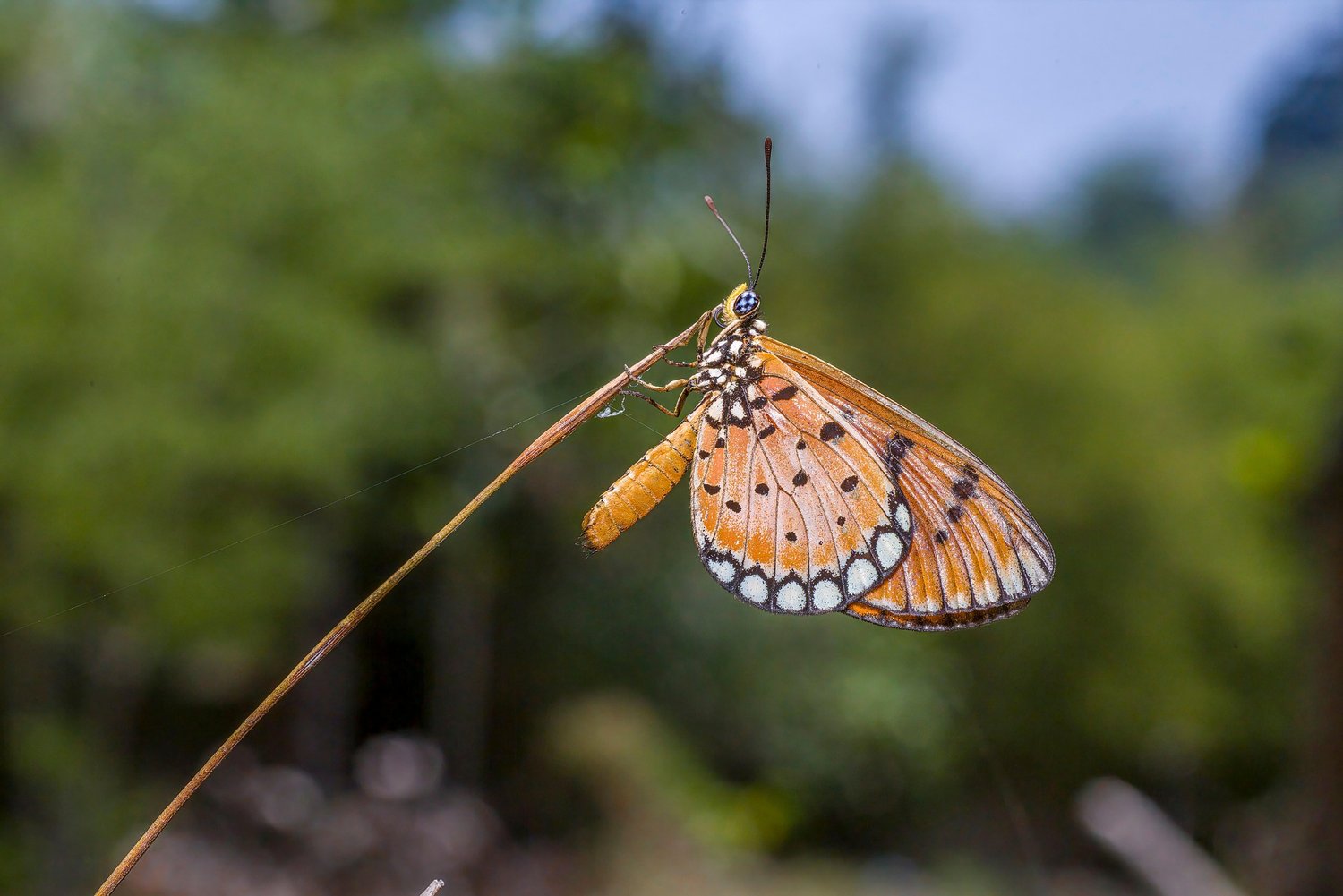
- Butterflies – Colorful wings and gentle flyers
- Bees – Important pollinators
- Grasshoppers – Jump long distances
👉 Scientists estimate there may be over 1 million known insect species!
🐝 Why Are Bugs Important?
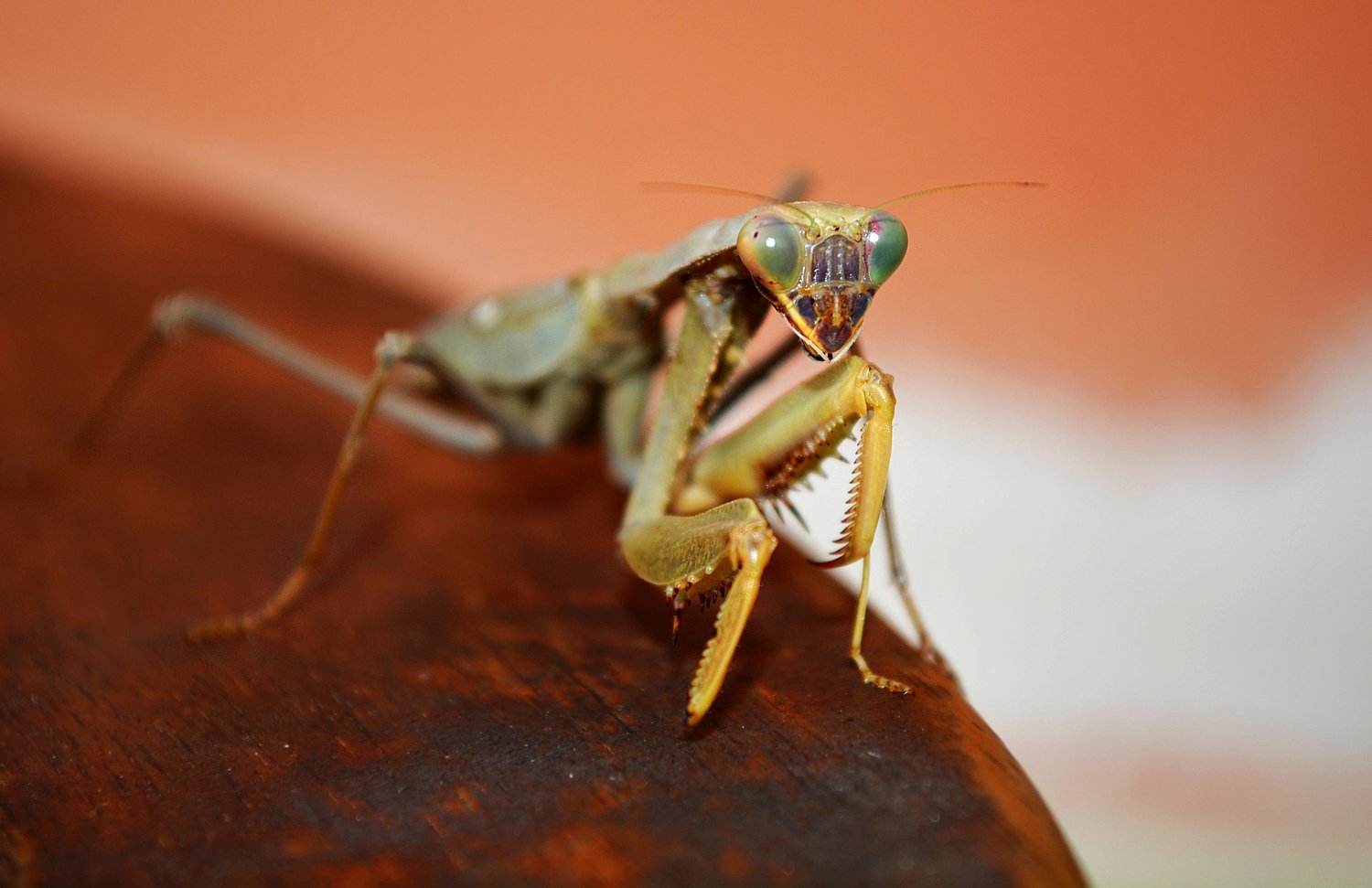
Bugs might be small, but they play HUGE roles in nature.
🌍 What Bugs Do:
- 🌸 Pollinate plants (help flowers grow into fruits and seeds)
- 🍂 Break down dead plants and animals
- 🐾 Provide food for birds, frogs, and other animals
- 🌱 Help soil stay healthy
👉 Without insects like bees, many of the foods we eat wouldn’t grow!
🦋 Life Cycle of a Bug
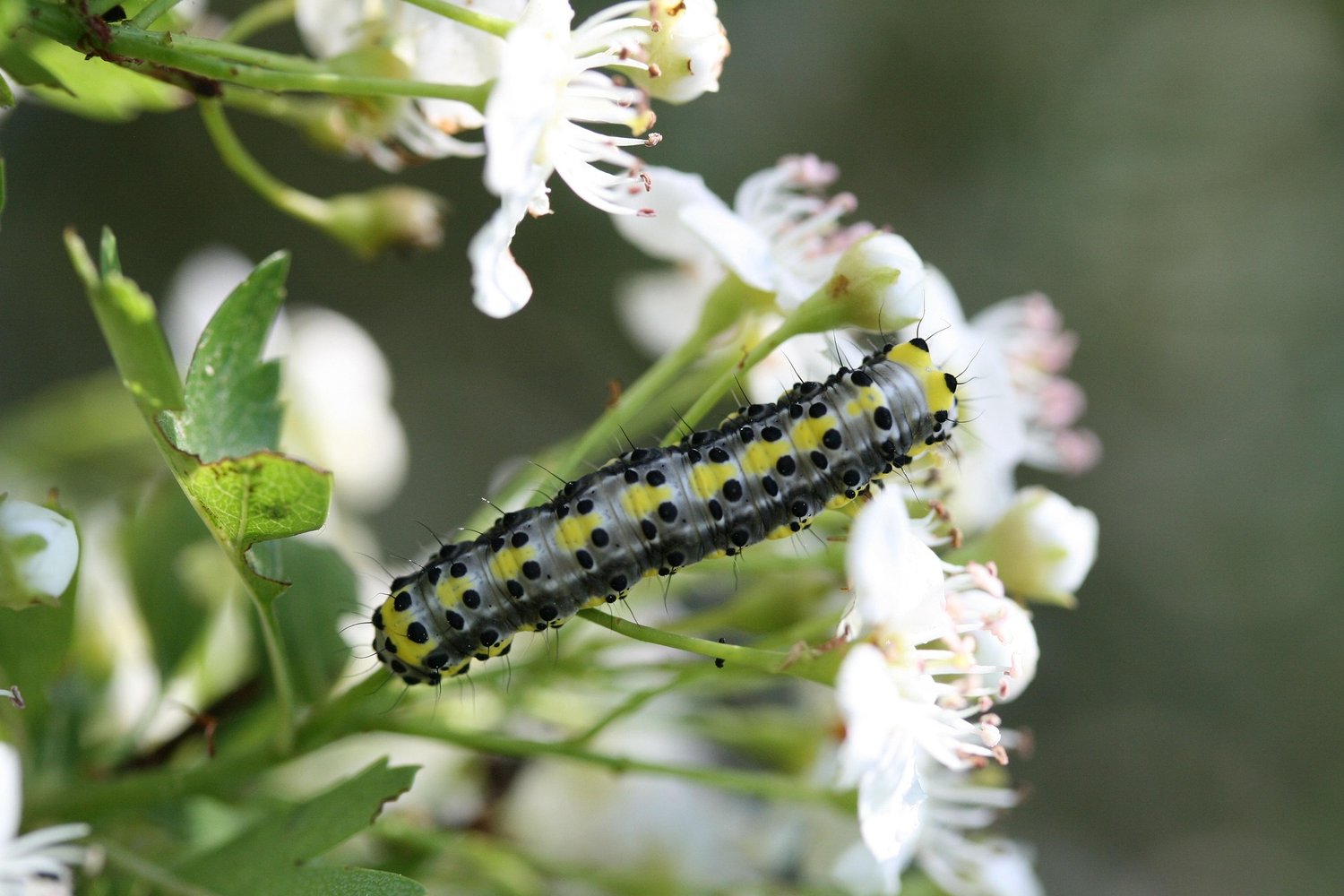
Many insects go through a process called metamorphosis—a big change as they grow.
🔄 Complete Metamorphosis (like butterflies):
- Egg 🥚
- Larva (caterpillar) 🐛
- Pupa (chrysalis)
- Adult butterfly 🦋
🔁 Incomplete Metamorphosis (like grasshoppers):
- Egg
- Nymph (young bug)
- Adult
👉 Metamorphosis is one of the most amazing transformations in nature!
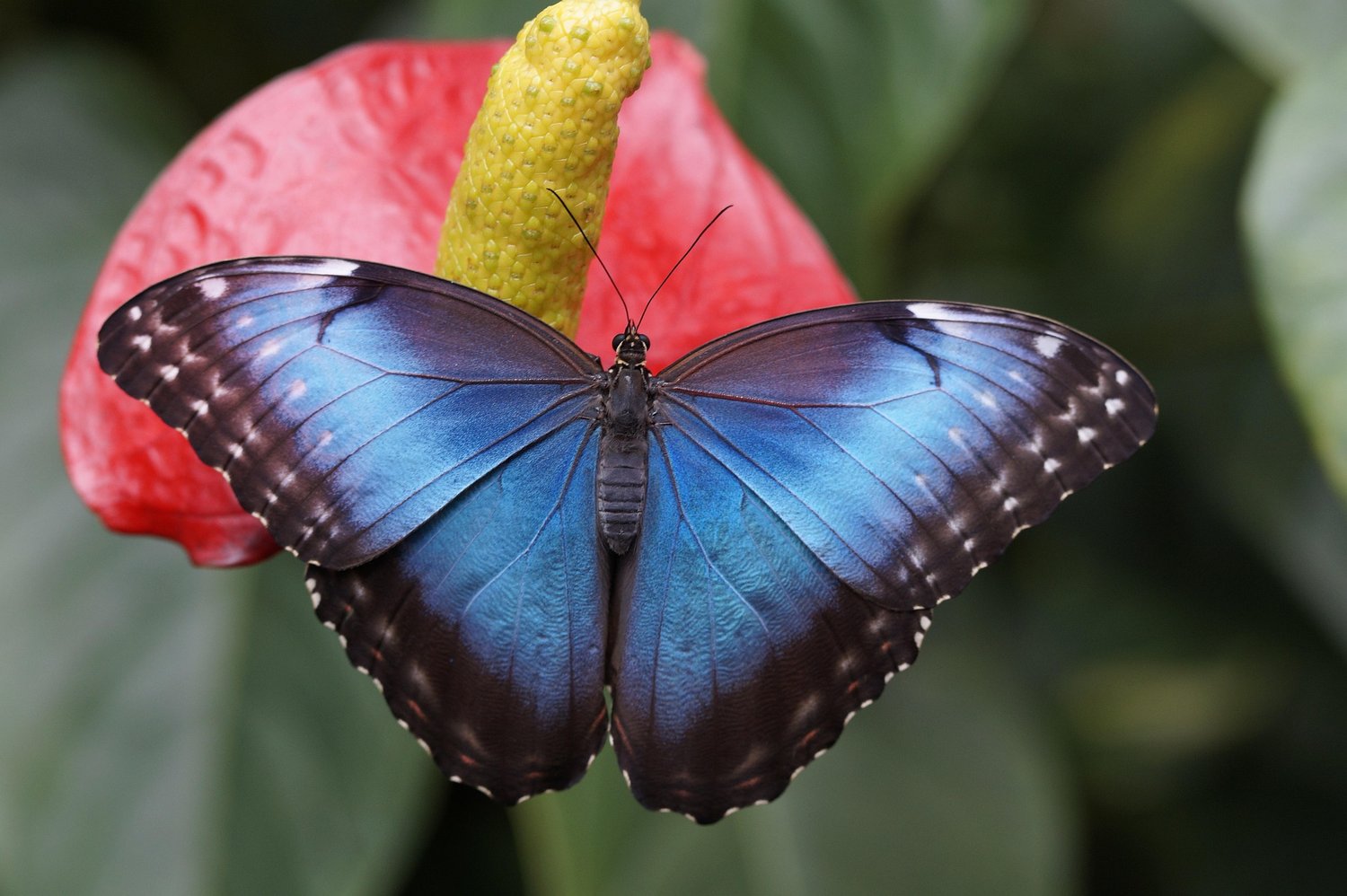
🌿 Where Do Bugs Live?
Bugs can live almost anywhere!
🌍 Common Bug Habitats:
- 🌱 Gardens and grass
- 🌳 Forests
- 🌊 Near water
- 🏜️ Deserts
- 🏠 Even inside homes
👉 Bugs are found on every continent—even Antarctica has a few tiny insect species!
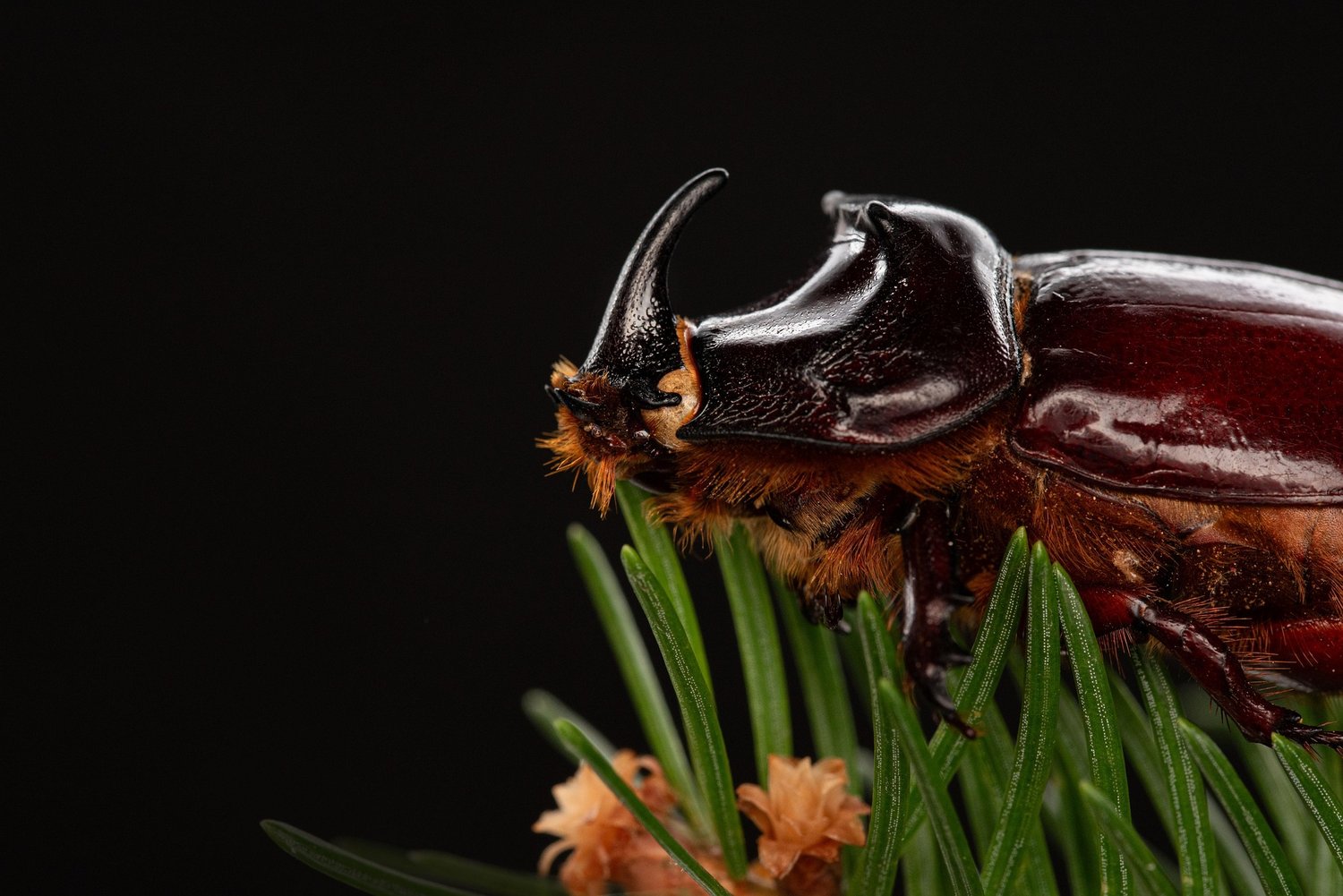
🛡️ How Bugs Protect Themselves
Bugs have clever ways to stay safe from predators.
🐞 Defense Strategies:
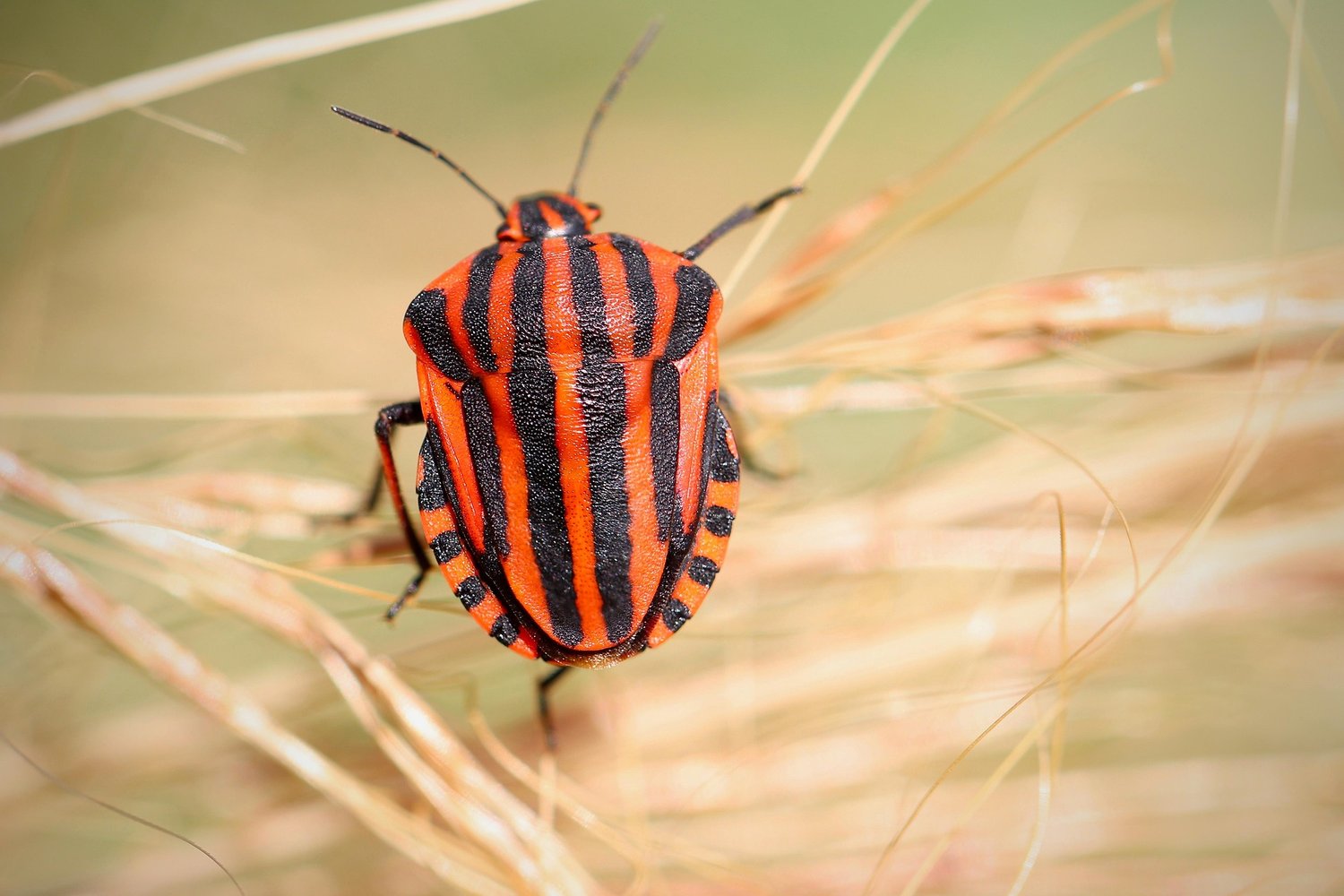
- 🎨 Camouflage – Blending into surroundings
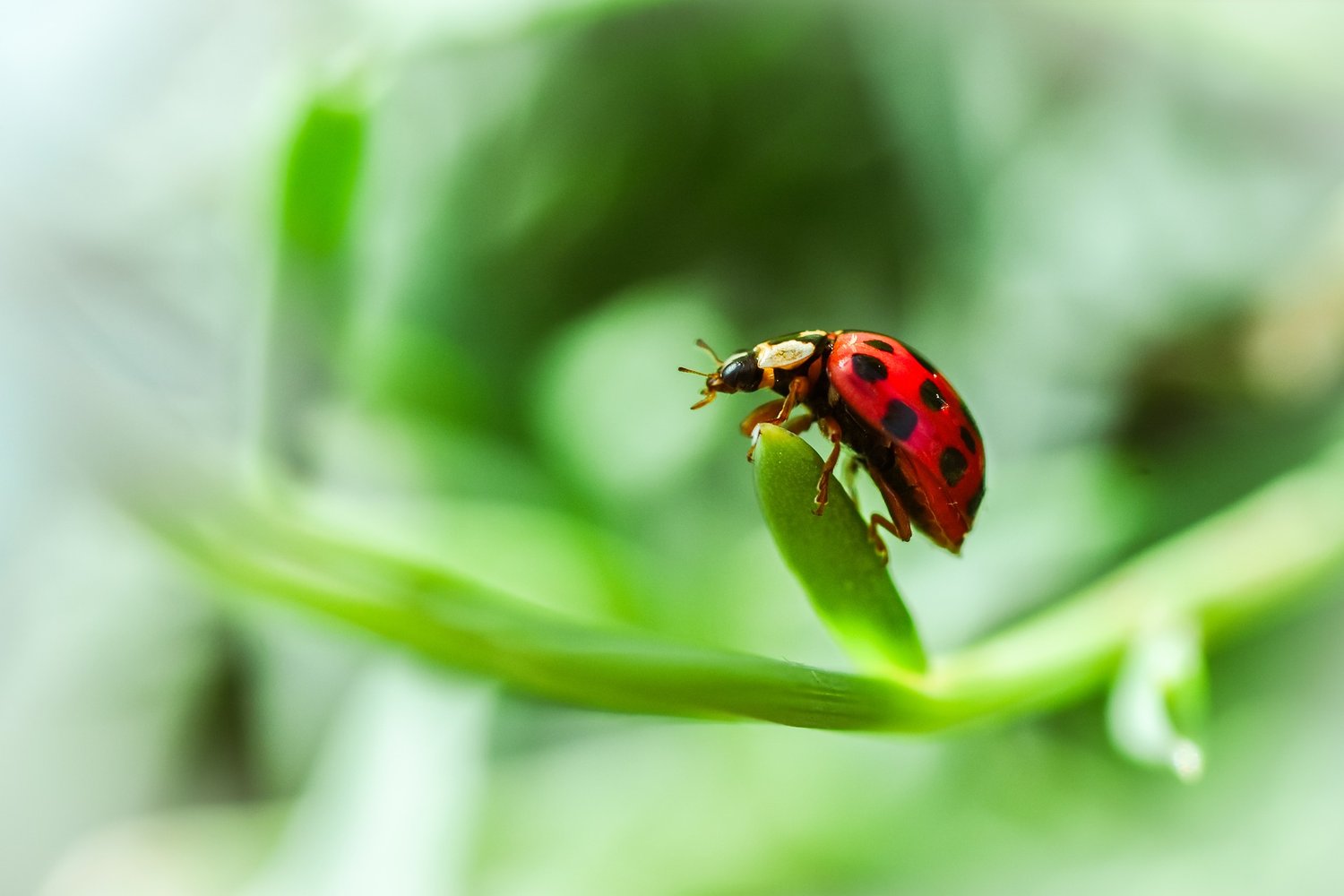
- ⚠️ Bright colors – Warning predators to stay away
- 🧪 Chemical defenses – Some bugs spray or release smells
- 🪽 Flying away quickly
👉 A ladybug’s bright color warns predators it might taste bad!
🌟 Fun & Surprising Bug Facts
- 🐜 Ants can carry 10–50 times their body weight
- 🐝 Bees communicate by doing a special “waggle dance”
- 🦋 Butterflies taste with their feet
- 🪲 Some beetles glow in the dark
- 🦗 Crickets chirp by rubbing their wings together
👉 Bugs are full of amazing abilities!
📚 10 Bug Books for Kids (Ages 5–12)
- The Very Hungry Caterpillar by Eric Carle
- Bugs! Bugs! Bugs! by Bob Barner
- National Geographic Kids: Bugs
- The Big Book of Bugs by Yuval Zommer
- Are You a Bee? by Judy Allen
- Bug Zoo by Andy Harkness
- Insect Detective by Steve Voake
- What If There Were No Bees? by Suzanne Slade
- Backyard Bugs by Jill McDonald
- Sammy Explores Bugs by KeriAnne Jelinek 🌟
🎨 5 Fun Bug Activities
1. 🔍 Backyard Bug Hunt
Go outside and observe bugs—look carefully and gently!
2. 🐞 Build a Bug Hotel
Create a small shelter using sticks, leaves, and cardboard.
3. ✏️ Draw Your Favorite Bug
Add labels for body parts like legs and antennae.
4. 🦋 Life Cycle Craft
Create a butterfly life cycle using paper or clay.
5. 📖 Bug Observation Journal
Write down what bugs you see and what they do.
💡 Teaching Tips for Parents & Educators
- Encourage curiosity—not fear—of bugs 🐜
- Use bugs to teach science, ecosystems, and life cycles
- Observe bugs in real life when possible
- Ask questions like: “What do you think this bug is doing?”
🐞 Final Thoughts
Bugs may be small, but they are one of the most important parts of our world. They help plants grow, keep ecosystems balanced, and show us how amazing nature can be.
✨ The next time you see a bug, take a closer look—you might just discover something incredible!
