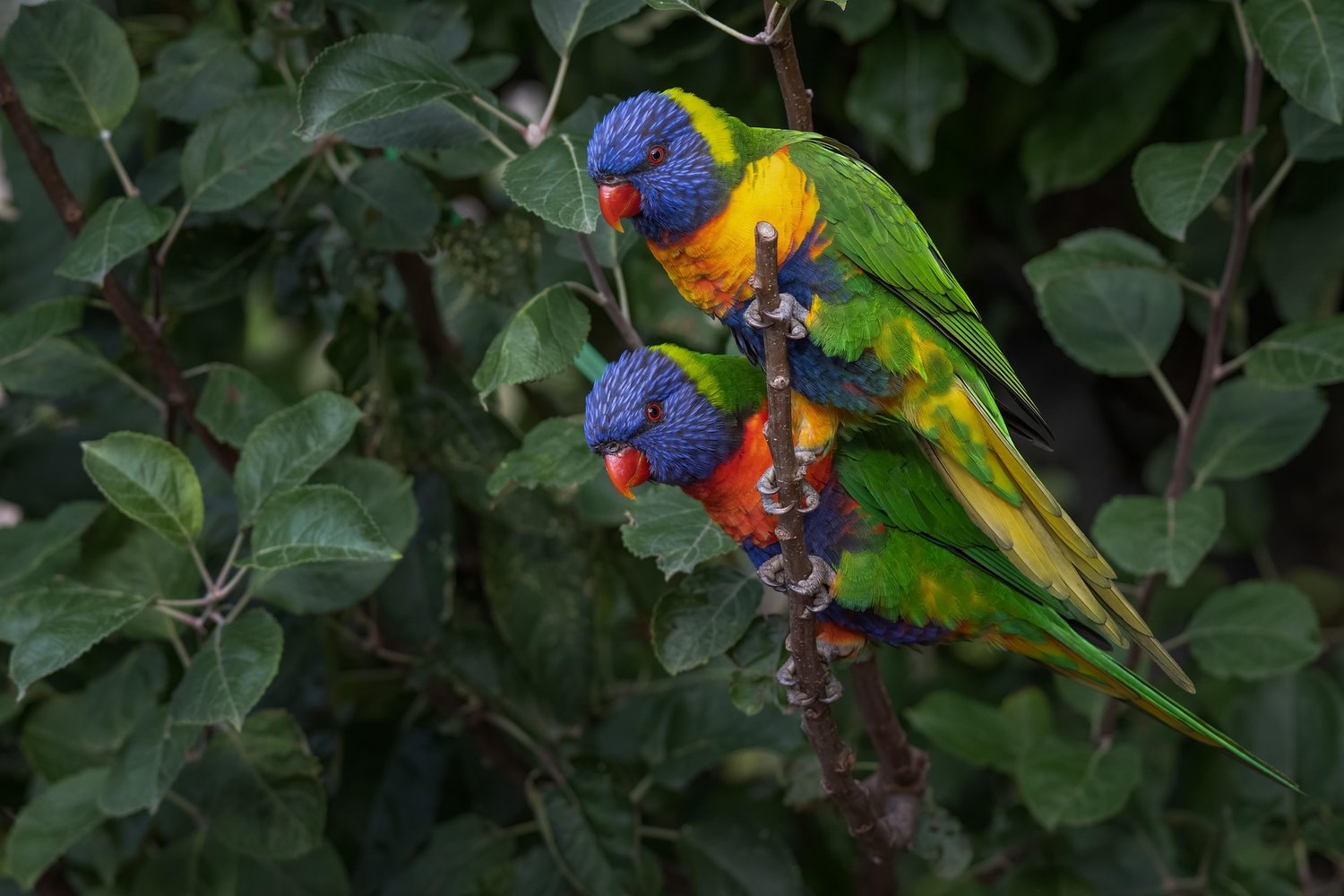
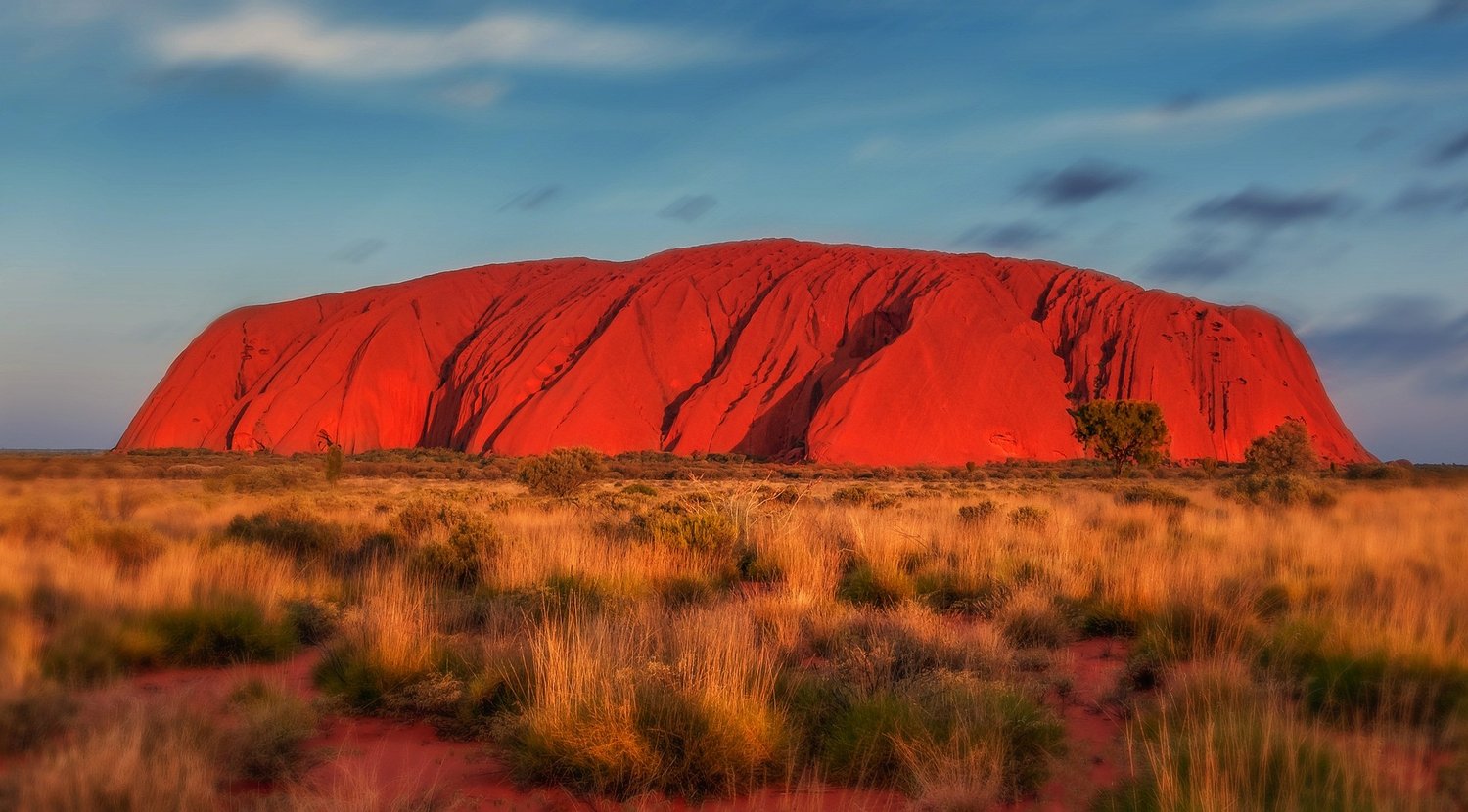
Australia is a land full of wonder, mystery, and some of the most fascinating animals on Earth. From kangaroos hopping across vast red deserts to colorful birds singing in lush rainforests, Australia offers a treasure trove of learning opportunities for children. But as we celebrate the unique wildlife and landscapes, we also face the urgent challenge of global warming—a problem that affects not just Australia but the entire planet.
This blog is for teachers and parents eager to inspire young minds about Australia’s wildlife and help them understand the importance of protecting our environment. Plus, you’ll find book recommendations and fun activities to bring the magic of Australia and its environmental challenges right into your classroom or home!
Why Australia?
Australia’s isolation for millions of years has made its animal kingdom truly special. Many creatures you find here aren’t found anywhere else—like the platypus, wombat, and kookaburra. These animals have adapted to survive in diverse habitats, from scorching deserts to damp forests.
Australian Animals: Nature’s Unique Wonders
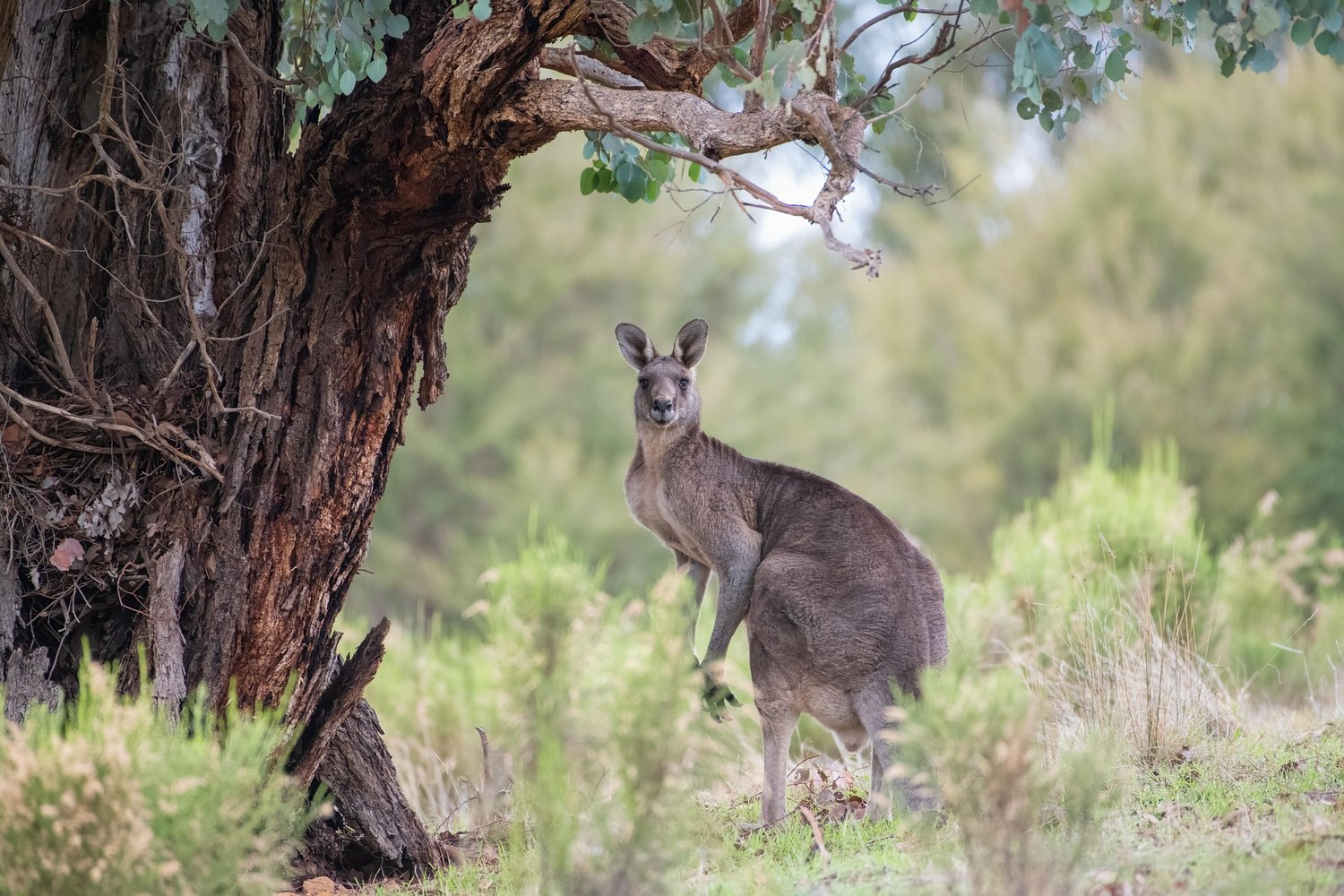
- Kangaroo: Australia’s iconic jumper! Kangaroos use their powerful legs to hop across the bush and carry their babies in pouches.
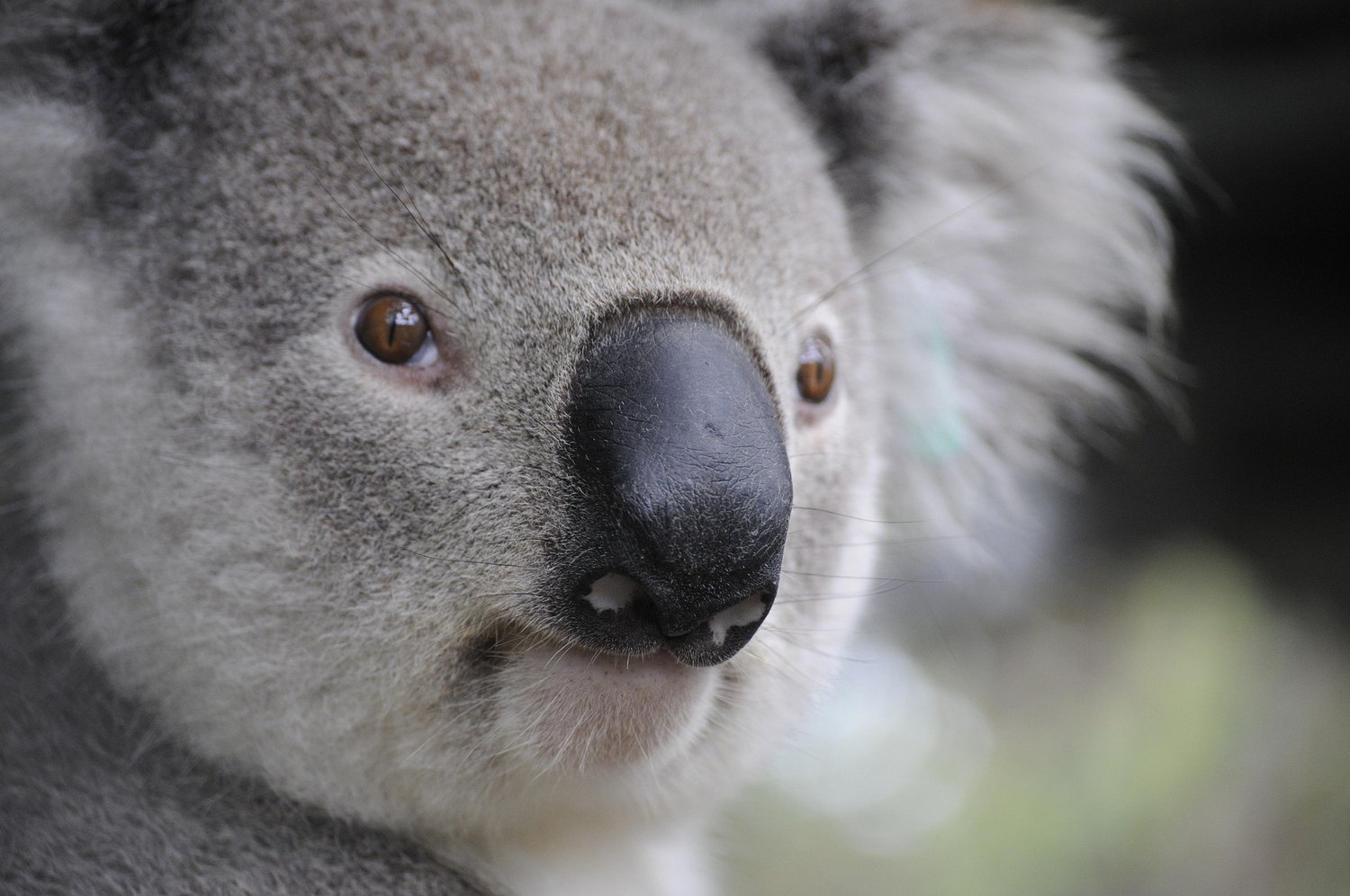
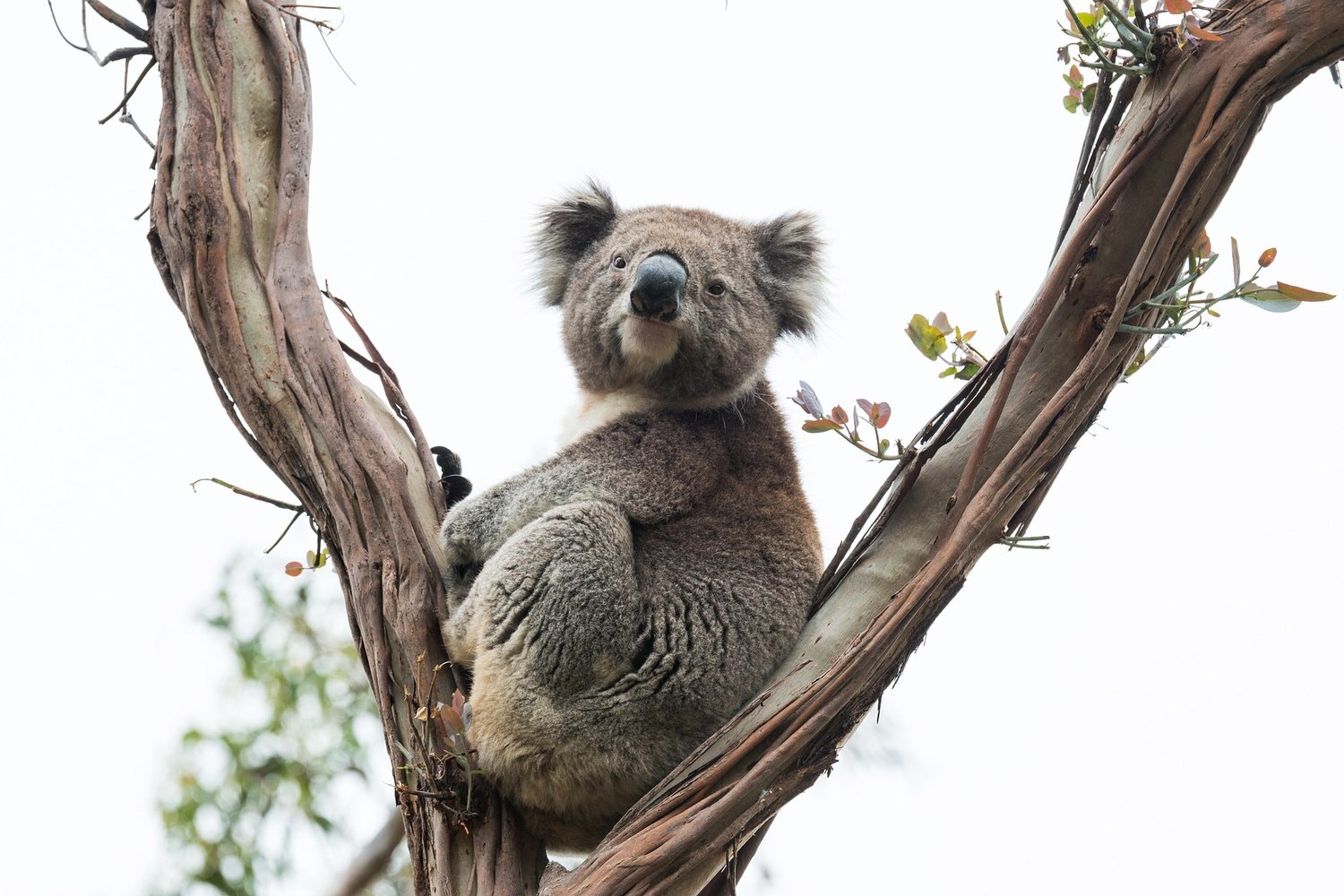
- Koala: These cuddly-looking marsupials spend most of their time in eucalyptus trees, eating leaves and sleeping.
- Platypus: An extraordinary mammal that lays eggs and has a duck-like bill.
- Emu: The second-largest bird in the world, it runs fast but cannot fly.
- Tasmanian Devil: Known for its fierce growl and powerful jaws, it’s a small but mighty carnivore.
Global Warming and Australia’s Wildlife
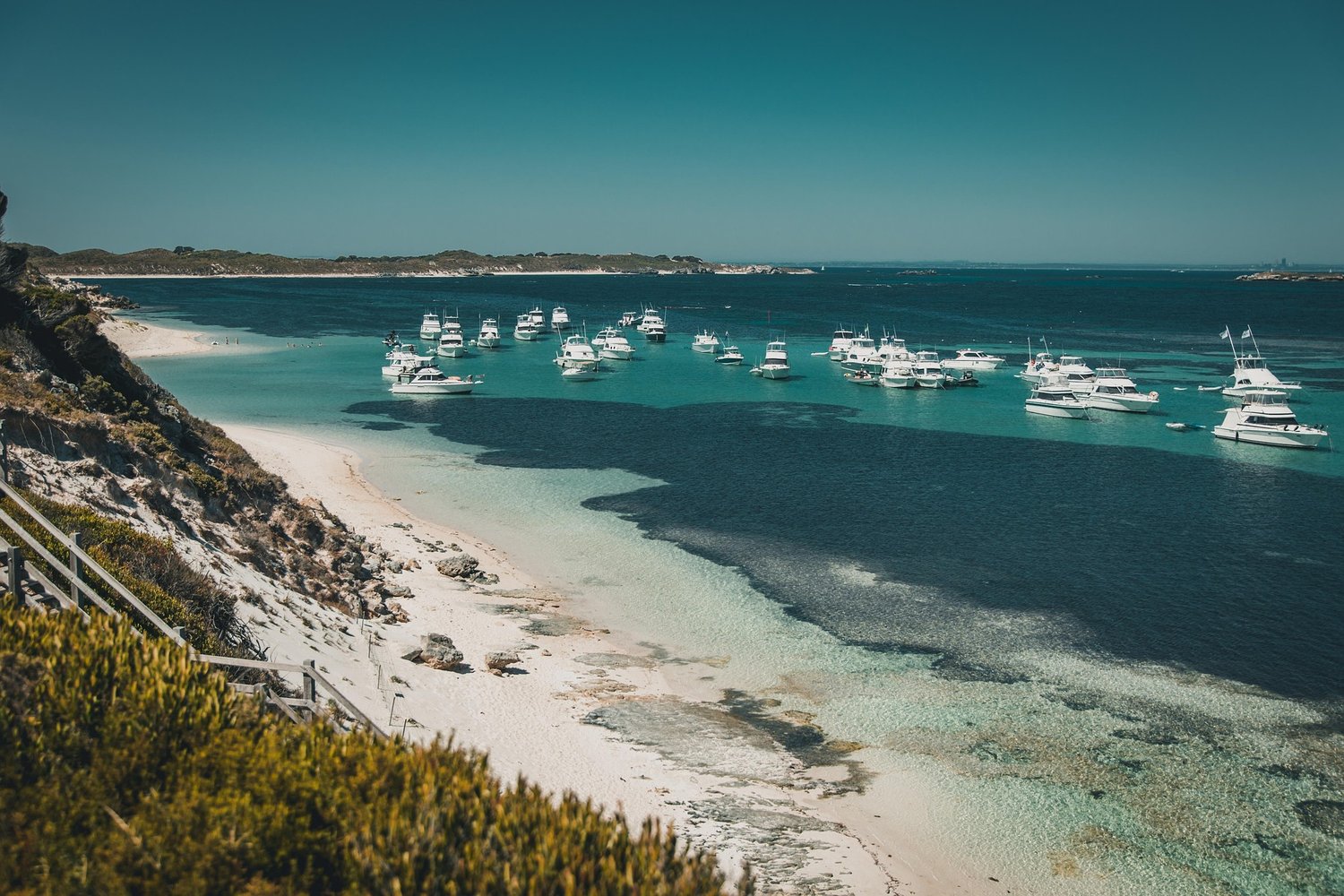
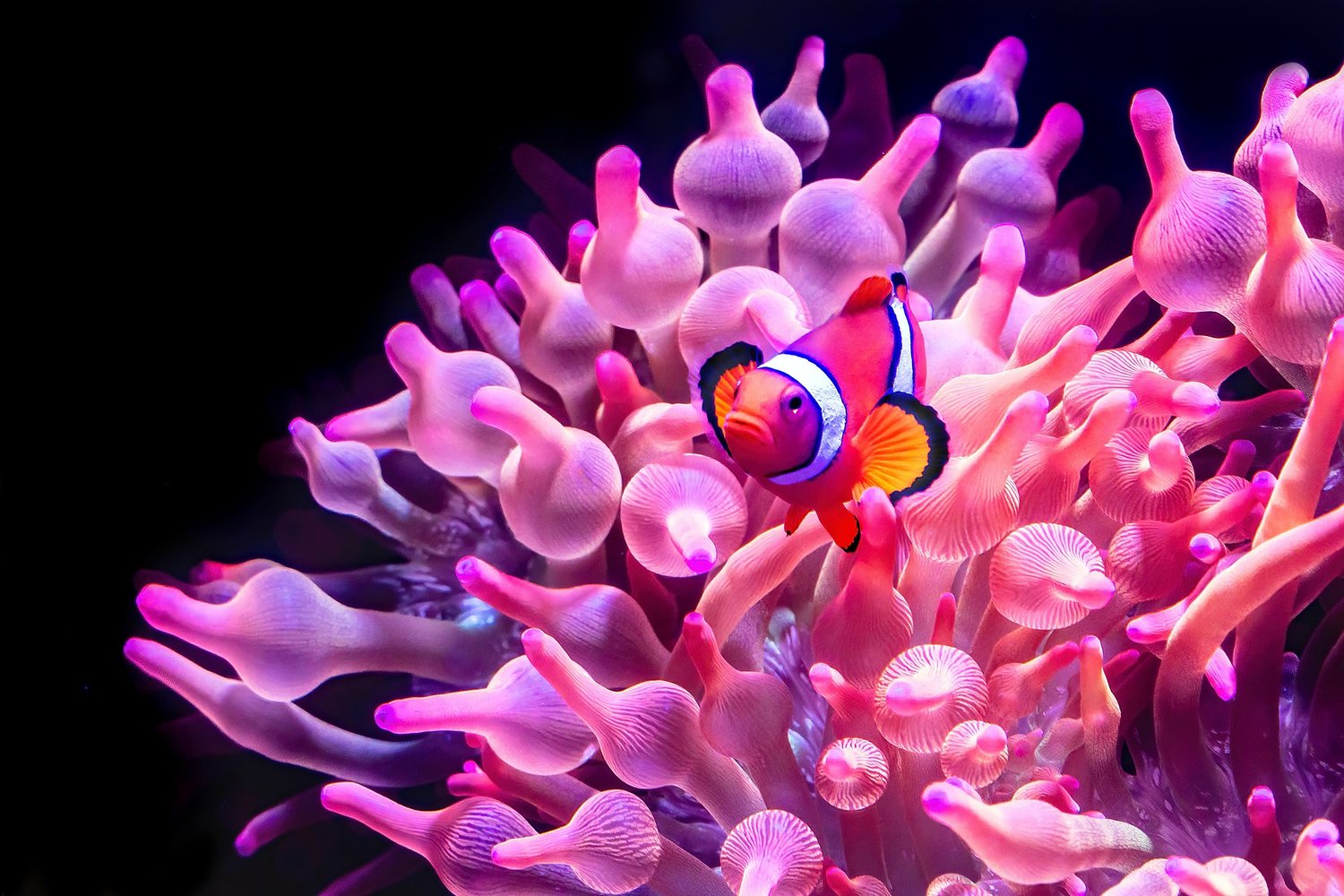
Climate change poses serious threats to Australia’s animals and ecosystems. Rising temperatures, droughts, and bushfires can destroy habitats and make it hard for animals to find food and water. For instance, the Great Barrier Reef—a vital marine ecosystem—is suffering due to warming ocean temperatures causing coral bleaching.
Teaching children about global warming alongside Australia’s wildlife helps them see how human actions impact nature and why conservation matters.
10 Fantastic Books for Kids (Ages 5-12)
Books are a wonderful way to engage children with stories and facts about Australia and the environment. Here are ten great picks:
- "Are We There Yet?: Australia" by Alison Lester – A delightful journey through Australian landscapes and culture.
- "Koala Lou" by Mem Fox – A heartwarming story about a koala’s love and family.
- "Wilfrid Gordon McDonald Partridge" by Mem Fox – A touching tale set in Australia.
- "The Magic Boomerang" by Enid Blyton – Adventure with a classic Aussie twist.
- "Aussie Animal Tales" by Margaret Barbalet – Short stories about Australian animals.
- "Saving the Great Barrier Reef" by Heather Catchpole – Simple explanation of reef conservation.
- "The Little Refugee" by Anh Do – A real-life story with Australian roots.
- "Possum Magic" by Mem Fox – A beloved story featuring Australian wildlife.
- "Bushland Lullabies" by Jackie Kerin – Poems inspired by Australian nature.
- "Earth Heroes: Champions of the Planet" by Lily Dyu – Inspiring stories of young environmentalists.
5 Fun Activities to Try at Home or in the Classroom
To make learning about Australia and global warming exciting and hands-on, here are five engaging activities:
1. Create an Australian Animal Habitat Diorama
Have kids build a small diorama using shoeboxes and craft materials to represent the habitat of their favorite Australian animal. They can include trees, water sources, and other animals to learn about ecosystems.
2. Kangaroo Hop Relay
Set up a relay race where children hop like kangaroos across a field or gym. This helps them appreciate the animal’s unique movement and get some fun exercise.
3. Coral Reef in a Jar
Use clear jars, water, gelatin, and colorful beads or paper to create a model coral reef. Talk about how coral reefs are important and how global warming affects them.
4. Global Warming Role Play
Assign roles such as animals, plants, humans, and the sun. Have children act out what happens when the Earth gets warmer, showing how each group is affected.
5. Storytime with a Twist
Read one of the recommended books out loud, then have children draw or write their own short stories about Australian animals or environmental heroes.

Why This Matters
By exploring Australia’s unique animals and the impact of global warming, children develop empathy for nature and a sense of responsibility for the planet. They learn that small actions, like conserving water or planting trees, can make a difference.
As teachers and parents, you play a vital role in nurturing curiosity and environmental stewardship in kids. Through stories, activities, and real-world connections, we can inspire the next generation to protect Australia’s wildlife and the Earth itself.
Australia’s wildlife is magical, and our planet needs us all to be heroes. Let’s spark excitement, wonder, and care in our children’s hearts today!